Good Vibes, Better Game: How Real Friendships Between Teammates Are Quietly Boosting Performance
Coaches spend hours breaking down film, perfecting formations, and drilling fundamentals. Parents invest in private training sessions and the best gear they can afford. But one of the most powerful performance factors in youth sports doesn't show up in any training plan — and it's completely free.
It's whether the kids on your team actually like each other.
That might sound a little too simple. But across Orlando's youth sports landscape, coaches and sports development professionals are paying closer attention to team chemistry — not just as a nice-to-have, but as a genuine competitive advantage. When players feel genuinely connected to their teammates, something shifts. Communication gets easier. Trust runs deeper. And when things get hard in the fourth quarter, they fight harder for each other.
More Than Just Good Morale
Sports psychologists have a term for what happens when a team clicks: cohesion. And it comes in two flavors — task cohesion (how well a team works together toward a shared goal) and social cohesion (how much team members actually enjoy each other's company).
Here's the thing: both matter. Research consistently shows that teams with higher social cohesion tend to outperform those where the relationships are purely transactional. When players feel safe around each other, they take smarter risks. They communicate without hesitation. They don't freeze up worrying about being judged for a mistake.
For youth athletes especially, that psychological safety is massive. A 13-year-old who feels genuinely welcomed by her teammates is going to play with a whole different kind of confidence than one who feels like an outsider in the group chat.
What Orlando Coaches Are Noticing
Coaches working with youth programs around Central Florida are seeing this play out in real time. The teams that tend to gel fastest aren't always the ones with the most talented rosters — they're the ones where players have had time and space to actually get to know each other.
One common observation: teams that bond early in the season tend to communicate better during games. Players are more likely to call out defensive assignments, encourage a struggling teammate, or make eye contact before a set play. Those small moments of connection, built in the gym or at a team cookout, show up in the most competitive moments.
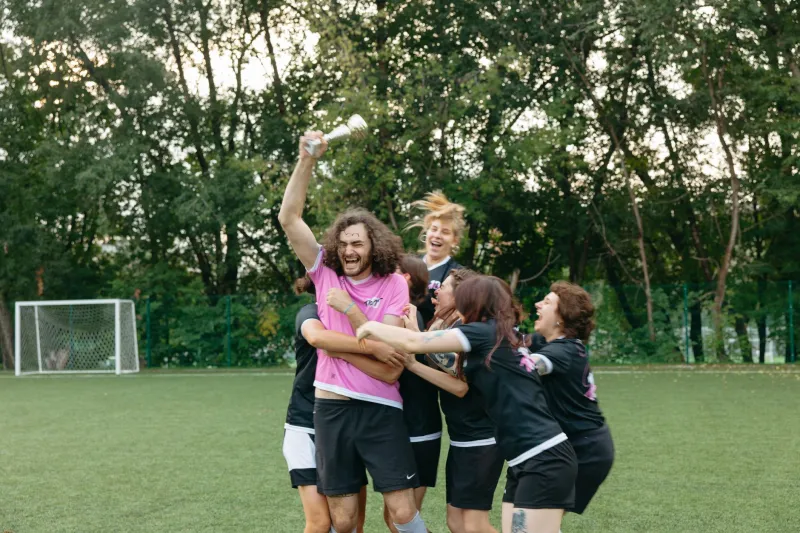
Coaches have also noticed that teams with stronger social bonds tend to recover from losses more quickly. Instead of pointing fingers, they pull together. That resilience — the ability to stay united when things aren't going well — is often what separates good teams from great ones.
The Problem With Leaving It to Chance
Here's where a lot of programs fall short: they assume friendships will just happen naturally. Throw a bunch of kids together a few times a week, and the bonds will form on their own, right?
Sometimes. But not always — and not quickly enough to matter during a 10-game season.
Left unguided, kids tend to cluster with the people they already know. The kid who joined mid-season stays on the edges. The quieter players get overlooked. Cliques form. And suddenly you've got a roster that's technically a team but emotionally still a collection of individuals.
Intentional team-building doesn't have to be complicated or cheesy. It just has to be deliberate.
Practical Ways Coaches Can Build Real Bonds
Mix up the pairs. During drills and warm-ups, rotate which players work together instead of letting kids always gravitate toward their best friends. Over a few weeks, players will have meaningful reps with every person on the roster — and familiarity builds trust.
Create space for conversation. Even five minutes at the start of practice where players share something non-sports-related — a favorite show, what they did over the weekend, something they're looking forward to — can go a long way. It signals that the team cares about each other as people, not just players.
Celebrate effort and character, not just skill. When coaches publicly recognize a player for being a great teammate — helping someone up, cheering loudly from the bench, staying late to help a struggling teammate — it sets a culture where connection is valued. Kids pay attention to what gets acknowledged.
Plan at least one off-field hangout per season. A team dinner, a bowling night, a movie — something low-pressure where the competitive dynamic is off and kids can just be kids together. These moments create shared memories that become part of the team's identity.
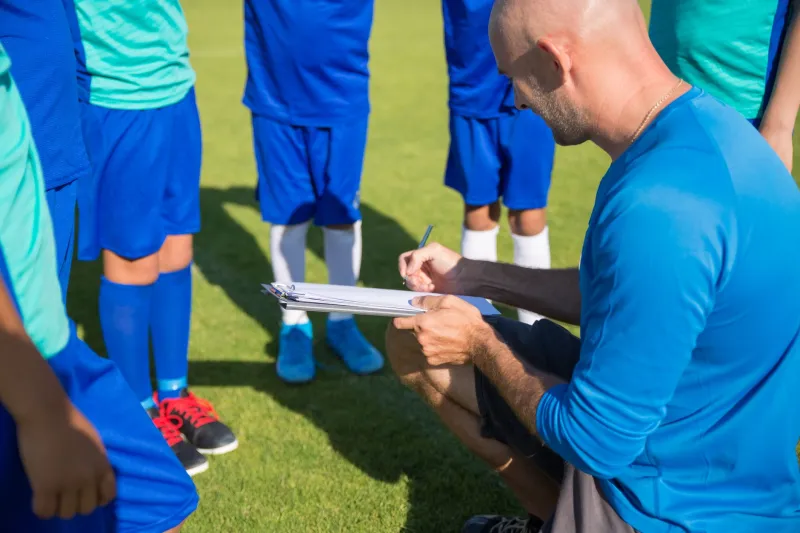
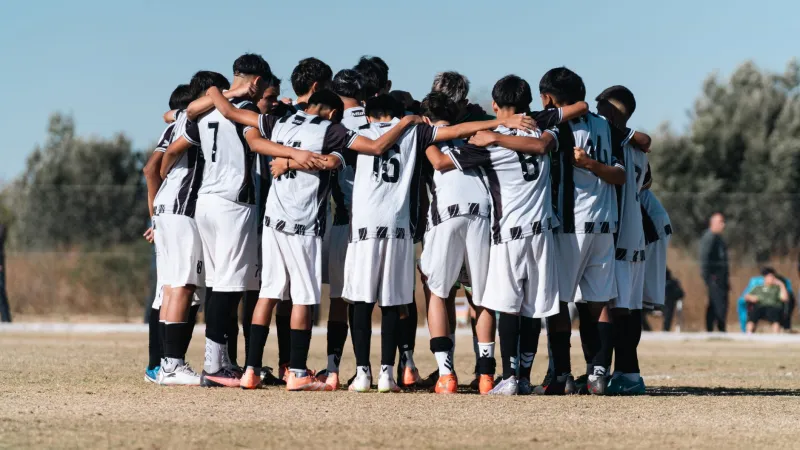
Use huddles intentionally. Pre-game and post-game huddles aren't just tactical moments. Coaches who use them to have players affirm each other, set collective intentions, or simply make eye contact and connect are reinforcing the idea that this group is something worth belonging to.
What Parents Can Do
Parents have more influence here than they might realize — and it starts with what they model and encourage outside of practice.
Encourage your kid to reach out to a teammate they don't know as well. Text someone to say good game. Invite a teammate to grab food after practice. These small gestures compound over a season.
Also, be mindful of how you talk about teammates at home. If a player hears a parent consistently criticizing someone on the team, it plants seeds of division. Keeping the home conversation positive and inclusive reinforces the idea that everyone on the roster is worth investing in.
And if your kid is struggling to connect with the group, don't ignore it. Talk to the coach. A good youth coach wants to know when someone feels on the outside — and most will find quiet, natural ways to help that player feel more included.
The Bigger Picture
At Orlando City Youth, we talk a lot about building champions on and off the field. And one of the things that makes someone a champion — in sports and in life — is knowing how to show up for other people. How to be a teammate. How to make someone feel like they belong.
That's not a soft skill. That's a life skill. And the good news is, youth sports is one of the best training grounds in the world for developing it.
When coaches and parents invest in team chemistry — not just talent development — they're doing something that goes way beyond wins and losses. They're teaching kids that relationships matter. That people are worth knowing. That you fight harder when you're fighting for someone you actually care about.
And yeah, as it turns out, those teams also tend to win more games. But honestly? That's just the bonus.