Lose Better, Grow Faster: How Orlando's Youth Athletes Are Turning Setbacks Into Their Biggest Competitive Edge
There's a moment that happens in youth sports that most adults remember even if they can't name it. You lose a big game. Maybe you miss the shot, or you get scored on, or your team just gets outplayed top to bottom. And in the aftermath, someone—a parent, a coach, a well-meaning adult—says something like "you'll bounce back" or "shake it off" and moves on.
The intention is kindness. But the effect is often the opposite of what resilience actually requires. Because bouncing back isn't a switch you flip. It's a skill. And like every skill worth having, it has to be practiced, taught, and sometimes deliberately made uncomfortable.
What's happening in some of Orlando's youth sports programs is a quiet shift in how coaches and organizations think about failure—not as something to survive, but as something to use.
The Difference Between Struggling and Drowning
Not all failure is created equal in a developmental context. There's a meaningful difference between the kind of struggle that builds something and the kind that just leaves a kid feeling crushed and confused.
Sports psychologists call the productive version "desirable difficulty"—challenges that are hard enough to require real effort and adjustment, but not so overwhelming that the athlete shuts down entirely. The sweet spot is where a young athlete feels the sting of falling short, understands why it happened, and has a clear path to try again differently.
This is actually harder to engineer than it sounds. It requires coaches who resist the urge to fix everything immediately, who can sit with a struggling athlete and ask questions instead of providing answers, and who've built enough trust that a kid feels safe enough to admit they don't know what they did wrong.
At Orlando City Youth, our coaches are trained to recognize the difference between a kid who needs support and a kid who needs space to figure something out. The instinct to rescue is strong, especially when you care about the kids you're working with. But over-coaching a mistake often robs the athlete of the most important part of the learning process: the moment of self-discovery.
What "Normalizing Mistakes" Actually Looks Like in Practice
You hear a lot of coaches say they create a "safe space to fail." What does that actually mean on a Tuesday afternoon practice when a kid misses the same defensive assignment three times in a row?
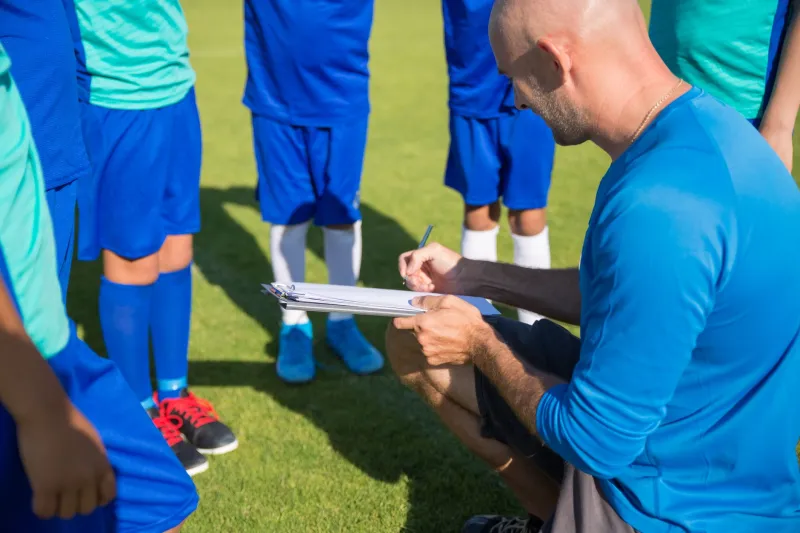
It means the coach doesn't pull them aside with a tone that signals shame. It means the team culture doesn't permit eye-rolls or groans from other players. It means the debrief after a mistake focuses on the decision, not the person. What were you thinking when you made that choice? What information did you have? What would you look for differently next time?
Those questions do something specific: they teach athletes to analyze their own performance without collapsing into self-criticism or deflecting blame. Over time, that internal process becomes automatic. Kids who've practiced it start doing it on their own after every setback—not just in sports, but in school, in relationships, in every context where things don't go the way they planned.
That's not an accident. That's coaching with a longer timeline in mind.
The Team Culture Piece Nobody Talks About Enough
Individual resilience is important. But a lot of what determines how a young athlete handles failure is the culture of the team around them.
Teams that shame mistakes—even subtly, even without intending to—create athletes who hide their errors, avoid risk, and play not to lose rather than playing to win. Teams that openly process failure together create something different: athletes who feel accountable to the group, not afraid of it.
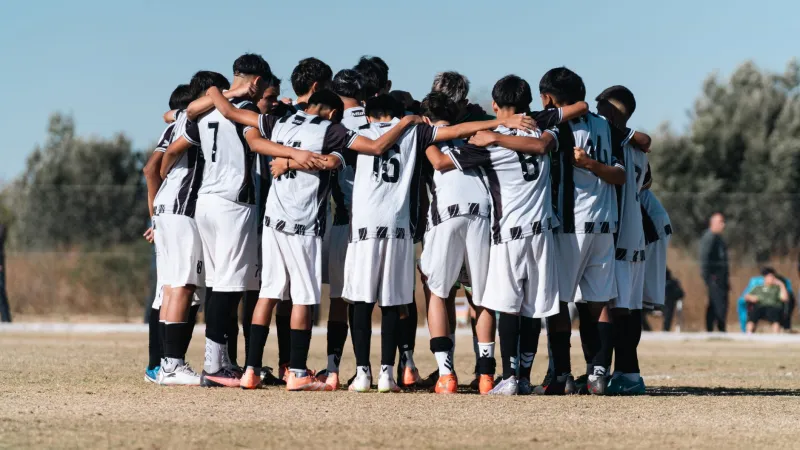
One specific practice that's gaining traction in youth coaching circles is the post-game or post-practice "failure debrief." Not a lecture. Not a breakdown of everything that went wrong. An actual conversation where coaches and athletes together identify one thing that didn't work, talk through what might have caused it, and agree on one thing to try differently. The whole thing takes maybe ten minutes. The cumulative effect over a season is significant.
Another approach is what some coaches call "failure spotlighting"—where a coach publicly acknowledges their own mistake during practice. This is deceptively powerful. When an adult in authority says "I called the wrong play and it cost us momentum—here's what I'd do differently" in front of a group of teenagers, it recalibrates the entire team's relationship with error. Suddenly failure isn't something that only happens to people who aren't good enough. It's something that happens to everyone, and what matters is what comes next.
Resilience Has a Shelf Life If It Isn't Reinforced
Here's something that doesn't get enough attention: the resilience kids build in sports doesn't automatically transfer to the rest of their lives. Transfer has to be taught.
This is where the mentorship side of youth sports programs becomes critical. When a coach connects the dots explicitly—remember when you failed at this drill six times before you got it? That's exactly what's happening with this math test you're stressed about—they're doing something that no amount of passive experience can replicate. They're helping a young person recognize their own capacity for recovery and apply it somewhere new.
This kind of bridge-building is central to what Orlando City Youth tries to do. Sports are the training ground, but the lessons are supposed to leave the field with the athlete. When a kid understands that the same mental muscle they used to come back from a tournament loss is available to them when they bomb a job interview at 22, they carry something genuinely valuable into their adult life.
What Parents Can Do to Support the Process
Parents play a bigger role in this than most realize—and not always in the ways they expect.
The most resilience-supportive thing a parent can do after a tough loss is ask questions rather than offer assessments. How do you feel about how you played? What do you think happened? What do you want to work on? These questions signal that the parent's job is to help the kid think, not to hand them conclusions.
Equally important: let the disappointment breathe. Don't rush to silver linings. A kid who's genuinely gutted about a loss needs a few minutes to feel that before they're ready to reframe it. Skipping straight to "but you learned so much!" often feels dismissive, even when it's true.
The parents who raise the most resilient athletes aren't the ones who shield their kids from hard moments. They're the ones who stay calm inside the hard moments and model what it looks like to process difficulty without falling apart.
That's the real game. And it starts long before the whistle blows.
Interested in how Orlando City Youth builds resilience into every level of our athletic programming? Visit orlandocityyouth.org to learn more about our coaching philosophy and youth development initiatives.