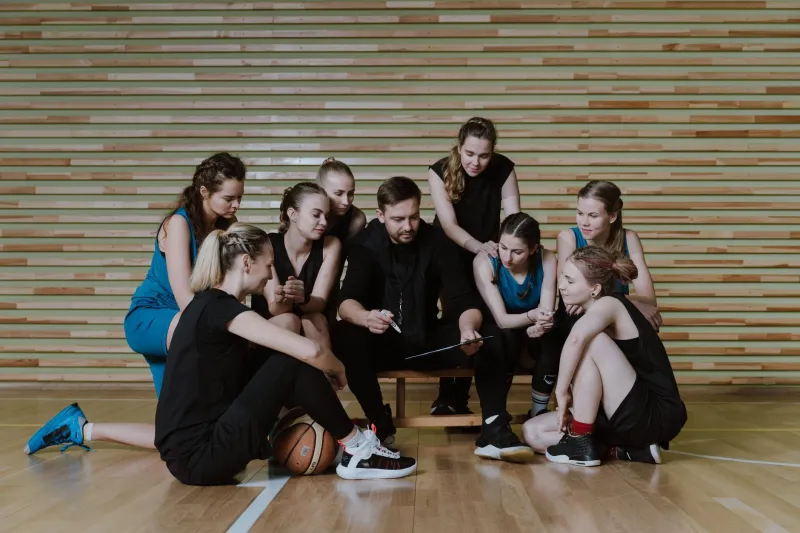
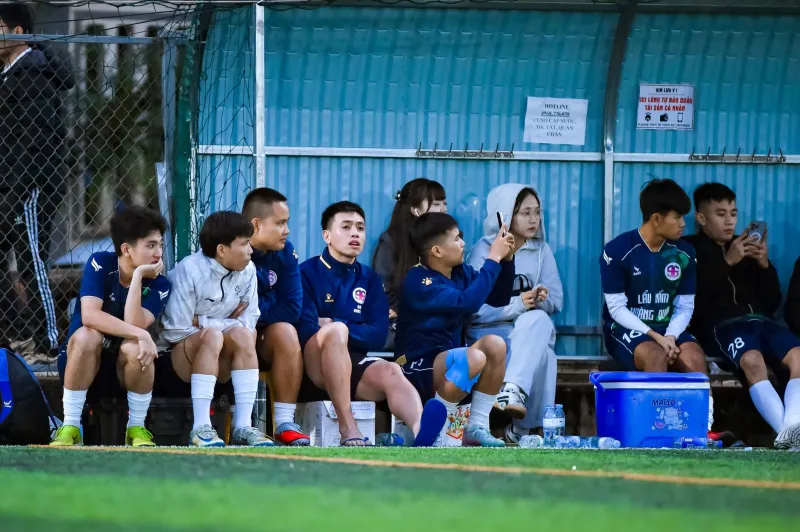
More Than a Whistle: The Coaches Who Are Quietly Changing Lives in Orlando
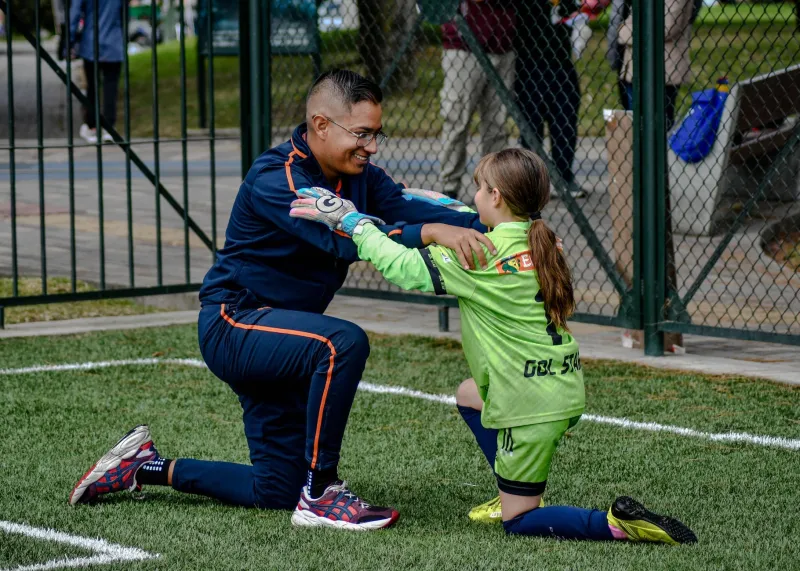
Ask any adult who played youth sports what they remember most, and chances are it won't be a game-winning goal or a championship trophy. It'll be something a coach said on a rough Tuesday practice. A hand on the shoulder after a tough loss. A conversation that stuck with them for decades.
That's the thing about youth coaches—the best ones are doing something way bigger than teaching a sport. They're shaping human beings. And here in Orlando, we've got a lot of them doing exactly that, often without nearly enough credit.
It's Not About the Trophy Case
Winning is fun. Nobody's going to pretend otherwise. But for coaches working with kids between the ages of eight and eighteen, the real scoreboard looks pretty different from the one hanging on the gym wall.
Character. Accountability. Resilience. The ability to get knocked down—literally or figuratively—and figure out how to get back up. These are the outcomes that actually matter in the long run, and they don't happen by accident. They happen because a coach decides to make them a priority, even when it would be a lot easier to just focus on the X's and O's.
Coach Marcus, who runs a youth soccer program in the East Orlando area, puts it simply: "I've had kids come through here who couldn't look an adult in the eye when they first showed up. By the time they age out of the program, they're leading warmups, mentoring younger players, and advocating for themselves in school. That's what I'm here for."
That kind of transformation doesn't happen overnight, and it doesn't come from a playbook. It comes from a coach who pays attention—who notices when a kid is struggling, who creates enough psychological safety for a ten-year-old to admit they're scared, and who holds the line on values even when it costs the team a win.
When Losing Becomes the Lesson
One of the most powerful things a youth coach can do is let a kid fail—and then help them make sense of it.
In a culture that's increasingly allergic to losing, that's actually a countercultural move. Parents want wins. Kids want wins. But the coaches who are doing the deepest developmental work understand that adversity is the curriculum. Failure is where character gets built.
Coach Diana, who works with a competitive softball program in the Orlando metro area, described a moment that changed how she thinks about coaching. Her team had just lost a game they were heavily favored to win, and the girls were devastated. Instead of immediately launching into what went wrong tactically, she asked each player to share one thing they'd learned about themselves that day.
"The answers blew me away," she said. "One girl said she learned she gives up mentally before she gives up physically. Another said she realized she'd been blaming her teammates for her own mistakes. Those are things grown adults spend years in therapy figuring out. These kids were twelve."
That kind of reflective practice—turning a bad result into a growth conversation—is the hallmark of a coach who's thinking beyond the season.
The Trust Factor
Here's something that doesn't get talked about enough: for a lot of kids, their youth coach is one of the most consistent, reliable adults in their life. In a city as large and diverse as Orlando, that reality hits differently depending on the neighborhood and the family situation.
Some kids show up to practice carrying weight that has nothing to do with sports. Family stress. Academic pressure. Social struggles. A coach who's paying attention can become a crucial anchor—not by being a therapist, but just by being present, consistent, and genuinely invested in the whole kid, not just the athlete.
That trust is built slowly, through small moments. Remembering a kid's birthday. Asking about a test they were nervous about. Noticing when someone seems off and checking in privately. These aren't grand gestures—they're the quiet, daily work of a mentor.
"Kids know when you actually care about them versus when you just care about their performance," said one longtime Orlando youth basketball coach. "And once they know you're in their corner as a person, they'll run through a wall for you as a player. But more importantly, they'll listen when you tell them something hard."
Leadership by Example
One of the most underrated aspects of youth coaching is what it models. Kids are watching everything—how a coach handles a bad call from the referee, how they treat the opposing team, how they respond to their own mistakes during a practice drill.
Integrity isn't something you can just lecture a kid into. It's caught more than it's taught. When a coach apologizes to a player for losing their cool, that's a lesson. When a coach insists on respectful behavior even after a controversial loss, that's a lesson. When a coach benches a star player for a values violation even when it costs the team, that's a lesson that will outlast any skill development session.
At Orlando City Youth, we see this play out constantly. The programs that produce the most well-rounded young people aren't necessarily the ones with the most talent—they're the ones where the coach has made it clear, from day one, that how you play and how you carry yourself matters as much as whether you win.
Giving These Coaches Their Flowers
Most youth coaches in Orlando aren't being paid like professionals. Many are volunteers. They give up evenings and weekends, drive kids to away games, and invest emotional energy that doesn't show up on any job description. And they do it because they believe in what sports can do for a young person's life.
If you've got a coach in your kid's life who's doing this work—who's teaching your child how to compete with integrity, how to lead, how to fail and come back stronger—tell them. Thank them. Let them know you see what they're actually doing.
Because the scoreboard is temporary. What they're building in those kids? That lasts a lifetime.