More Than a Teammate: How Youth Sports Friendships Become a Kid's Strongest Life Support
Ask most parents why they signed their kid up for youth sports, and you'll hear the usual answers. Stay active. Learn teamwork. Build discipline. Maybe get a scholarship someday. All valid. All good reasons.
But there's something else happening on those sidelines and in those locker rooms — something quieter, something that doesn't show up on a stats sheet — and it might actually be the most valuable thing youth sports has to offer.
The friendships.
Not the casual kind. Not the "we sat next to each other in homeroom" kind. The real, tested, show-up-when-things-get-hard kind that most adults spend decades searching for.
Why Sports Friendships Hit Different
There's a reason the bonds formed through youth athletics tend to stick around long after the final whistle. It comes down to shared pressure.
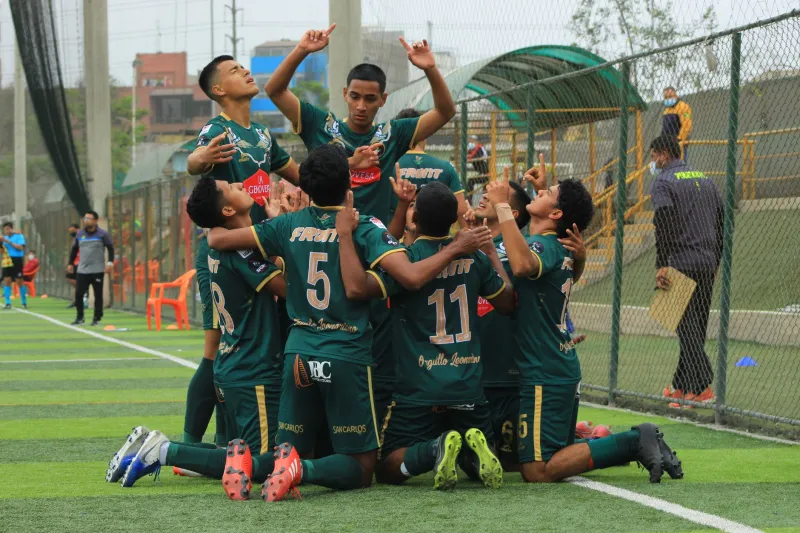
When you're sitting next to someone in math class, you're both just trying to survive the period. But when you're running the same exhausting drill for the fifteenth time, when you've both been chewed out by the same coach, when you've both felt the sting of a close loss — something different happens. You stop being acquaintances and start being allies.
Sports create what researchers sometimes call "crucible moments" — intense shared experiences that accelerate trust in ways that normal social settings just don't. Kids who might never have clicked in a classroom find themselves genuinely invested in each other's success because, on the field, their success is literally connected.
That's a hard thing to manufacture. Sports does it naturally.
When the Game Becomes a Lifeline
Talk to any Orlando youth athlete who's been part of a close-knit team for more than a season, and you'll start hearing stories that have nothing to do with wins or losses.
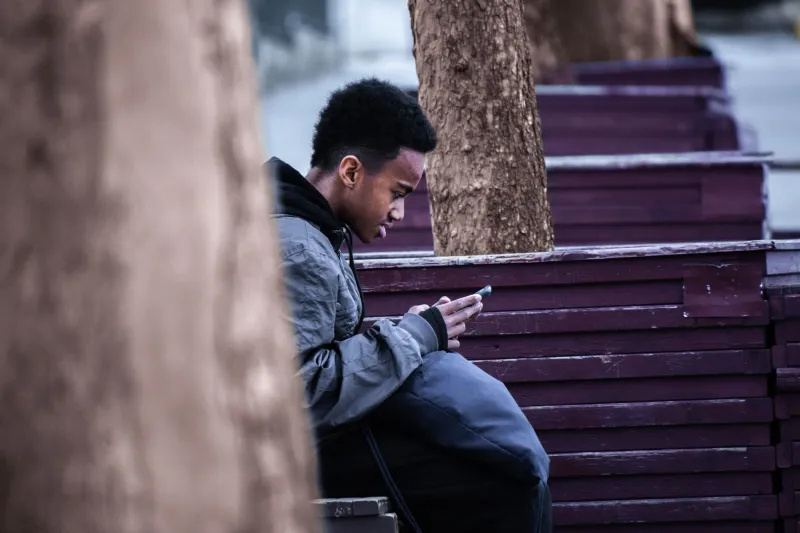
You'll hear about the teammate who texted every single day when a friend's parents were going through a divorce. About the group chat that turned into a study session when someone was failing a class and too embarrassed to ask a teacher for help. About the quiet kid who finally opened up about anxiety — not to a counselor, not to a parent — but to the girl he'd been warming up next to for two years.
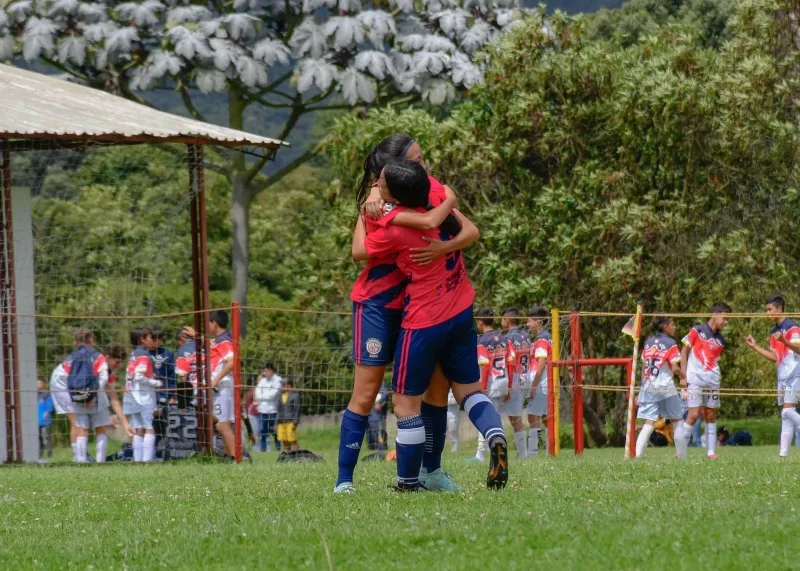
These moments happen constantly in youth sports communities across Orlando. They don't get celebrated at banquets. Nobody hands out a trophy for "most supportive teammate during a rough semester." But the kids remember. And the impact lasts.
The Lessons No Classroom Can Fully Teach
School friendships are valuable — don't get it twisted. But the specific lessons that come out of sports-based relationships are distinct in a few important ways.
Conflict resolution under pressure. When you have a blowup with a teammate on Tuesday, you can't just avoid them for a week. You've got practice Wednesday, a game Friday, and a bus ride in between. You're forced to figure it out. That's not comfortable, but it's incredibly formative. Kids who play team sports get a lot of reps at working through tension with people they genuinely care about — a skill that directly translates to every relationship they'll have as adults.
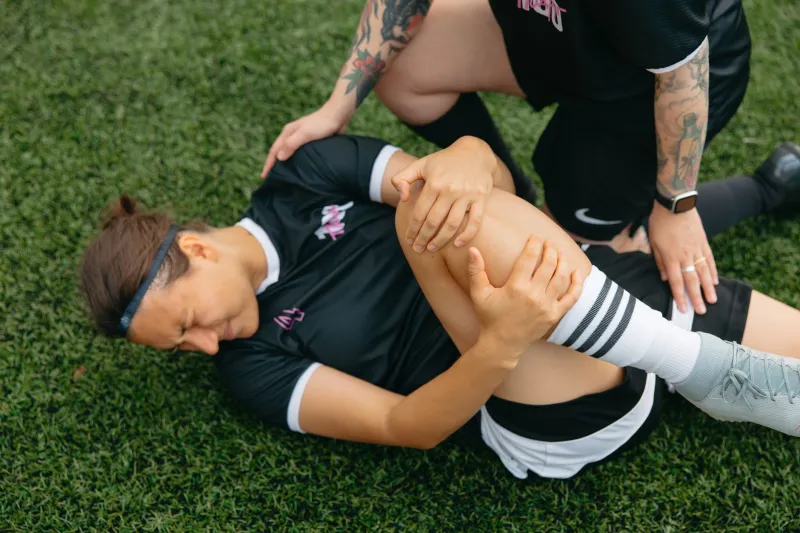
Loyalty that gets tested. It's easy to be a good friend when things are going well. Sports puts friendships through real tests — playing time disputes, position competition, clashing personalities, losing streaks. The kids who come out the other side of those situations with their friendships intact have learned something powerful about what it actually means to show up for someone.
Reading people without words. Athletes get really good at noticing when something's off with a teammate before that person says anything. A slightly flat warmup. A shorter answer than usual. Skipping the team huddle. These are small signals, but teammates notice them. And that kind of emotional attunement — learning to read the room, to check in without being asked — is one of the most underrated skills a young person can develop.
Orlando's Teams as Built-In Communities
What makes the youth sports scene in Orlando particularly special is the community infrastructure that surrounds these teams. Kids aren't just showing up to practice in isolation — they're part of something bigger. Families get to know each other. Coaches become mentors. The team becomes a second home.
For kids who are navigating tough home environments or struggling to find their footing socially, that structure is genuinely life-changing. Having a place where you're expected, where people notice if you don't show up, where your effort is recognized — that sense of belonging does real psychological work.
Some of the most meaningful friendships in a young person's life start with something as simple as being paired together for a passing drill. What grows from there can outlast the sport itself.
What Parents Can Do to Nurture It
Here's the thing — as a parent, you can either help these friendships flourish or accidentally get in the way of them. A few things worth keeping in mind:
Let the kids lead. Resist the urge to manage your child's team relationships. If there's a conflict, give them space to work through it before stepping in. That friction is where the real growth happens.
Make your home a welcoming spot. Some of the most lasting team bonds get built over pizza after practice or hanging out in someone's backyard. Opening your space to your kid's teammates signals that these friendships matter.
Talk about teammates like people, not players. Ask your kid how their teammate's big test went, not just how they performed in the last game. Model the idea that their value extends beyond their athletic role.
Celebrate the relational wins. If your kid tells you they helped a teammate through something hard, treat that as a big deal — because it is.
The Trophy That Outlasts the Season
Seasons end. Trophies collect dust. Highlight reels get buried in camera rolls. But the person who texted you at 11pm when you were spiraling before finals, the teammate who talked you out of quitting when you were ready to walk away, the friend who was just there in a way nobody else was — those connections don't fade.
Youth sports gives kids something they can't Google or download: a real community built through real shared experience. And in a world that often feels more disconnected than ever, that might be the most important thing we're handing them when we lace up those cleats and send them out onto the field.
The game teaches them to compete. The teammates teach them to live.