Sidelined But Not Stopped: What Getting Hurt Can Teach a Young Athlete About Themselves
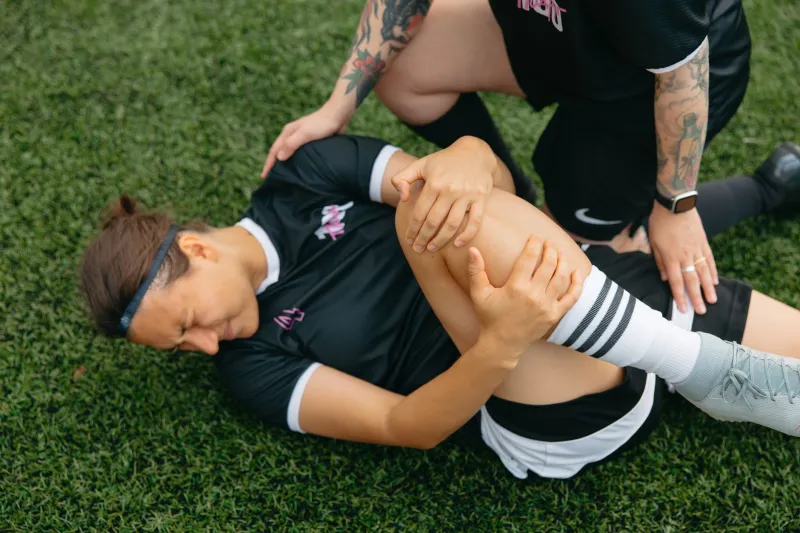
One minute you're in the middle of a play. The next, you're on the ground, a trainer is kneeling beside you, and the game keeps moving without you. For a young athlete, few moments hit harder than realizing you're injured — not just because of the physical pain, but because of everything that follows. The practices you'll miss. The games you'll watch from the bench. The weird, hollow feeling of being part of a team but not really in it.
Here in Orlando, where youth sports are a huge part of so many kids' identities, an injury can feel like the rug getting pulled out from under everything. But the athletes who come out of recovery the strongest? They're usually the ones who figured out how to treat the timeout as a tool, not just a setback.
The Mental Side Nobody Talks About
Coaches talk about physical recovery constantly — rest, ice, rehab, timelines. What gets a lot less airtime is the psychological toll that being sidelined actually takes on young athletes.
For a kid who's built their daily routine, their social world, and a big chunk of their self-worth around playing, suddenly being removed from all of that doesn't just sting — it can genuinely destabilize them. Research on youth sports consistently shows that injured athletes are at higher risk for anxiety, depression, and identity confusion during recovery periods. And when you factor in that a lot of these kids are already navigating the pressures of adolescence, school, and social dynamics, the emotional load gets heavy fast.
What that means practically is this: if your young athlete seems irritable, withdrawn, or unusually flat after getting hurt, it's probably not just frustration about missing games. It might be something deeper — a quiet grief over a disrupted sense of purpose. That's worth naming out loud, both for the athlete and for the adults around them.
Staying in the Game Without Playing in It
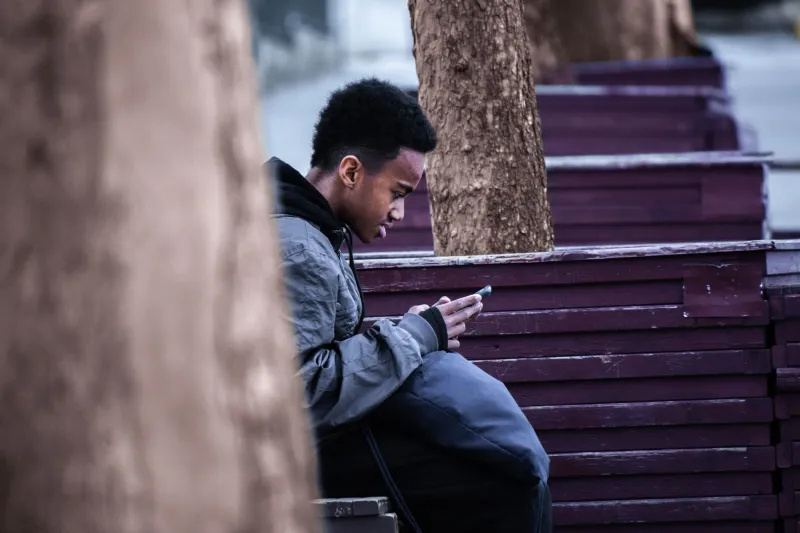
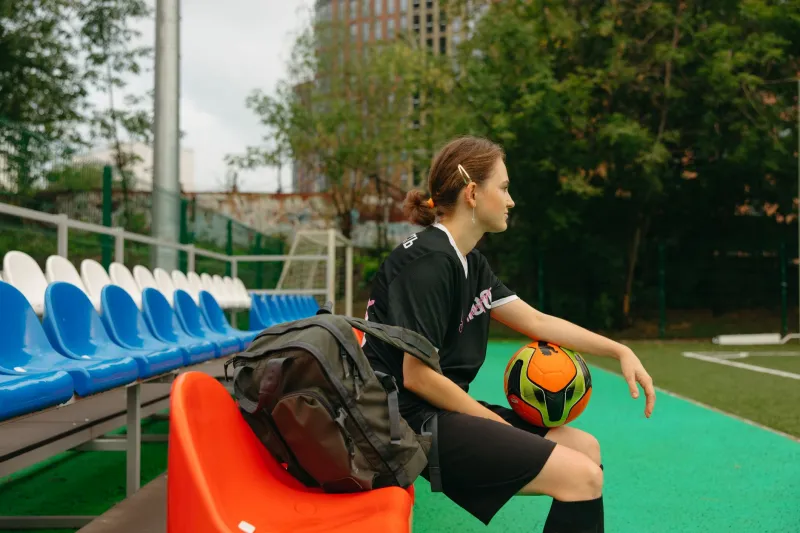
One of the most powerful things an injured athlete can do is resist the urge to completely disconnect from the team. It's tempting — watching from the sidelines when you want to be out there can feel like a specific kind of torture. But pulling away entirely tends to make the mental side of recovery a lot harder.
There are real ways to stay plugged in:
Be the student. When you're not focused on executing, you can actually watch the game differently. Study your teammates' tendencies, pay attention to how opponents set up their plays, notice the stuff that's hard to absorb when you're in the middle of the action. A lot of elite athletes have talked about how an injury-forced pause gave them a completely new understanding of the game because they finally had time to observe it.
Be the encourager. Showing up to practice and cheering your teammates on — genuinely, not just going through the motions — does two things at once. It keeps you emotionally connected to the group, and it builds the kind of leadership presence that coaches notice. The athlete who stays engaged and positive while hurt? That's someone a team rallies around.
Talk to your coaches. Ask questions. Offer observations. Let your coaches know you're still invested. A lot of young athletes go quiet when they're injured because they feel like they're not relevant anymore. But coaches value athletes who stay curious and communicative, and those conversations can actually deepen the athlete-coach relationship in ways that wouldn't have happened otherwise.
Using the Pause to Build What Practice Can't
Here's something worth saying directly: there are things that injury recovery time allows that a packed training schedule simply doesn't.
Sleep, for one. Most youth athletes are chronically under-recovered — not because they're lazy, but because the demands of school, practice, games, and everything else leave very little room for actual rest. Forced downtime, as frustrating as it feels, often gives the body a chance to catch up on recovery that was overdue anyway.
Mental skills work is another big one. Visualization, breathing techniques, focus training — these are tools that can absolutely be practiced while physically resting. Sports psychologists have documented that athletes who use visualization during injury recovery maintain neural pathways related to their sport and often return to competition with sharper mental focus than before they were hurt. For youth athletes in Orlando who want to get serious about the mental game, this is a window of time that rarely comes around otherwise.
And then there's the personal stuff. Hobbies that got pushed aside. Friendships that got neglected because the schedule was always full. A book that's been sitting on the nightstand for months. Recovery creates space for the parts of a young person's life that sports often crowd out — and reconnecting with those things is genuinely good for long-term athlete health. A kid who has a full identity outside of sports is almost always more resilient when things get hard inside of them.
What Parents and Coaches Can Do Differently
The adults in an injured athlete's life carry a lot of influence over how the recovery period actually goes.
For parents, the most important thing is probably to avoid accidentally making the injury feel like a failure. Comments like "you should have been more careful" or constant anxious questions about when they'll be back tend to add pressure rather than support. What works better is acknowledging that this is genuinely hard, staying curious about how they're feeling emotionally (not just physically), and helping them find ways to stay engaged with the team and the sport during recovery.
For coaches, it matters a great deal how you treat injured athletes in the day-to-day. Do they still feel seen? Are they included in team meetings and conversations? Do you check in on them as people, not just as bodies you're waiting to get back on the field? The coaches who make injured athletes feel valued and connected tend to get athletes who return with a deeper loyalty to the program — and a toughness that wasn't there before.
Coming Back With More Than You Left With
Every athlete who has ever gone through a serious injury and come out the other side will tell you the same thing: they came back different. Sometimes that means physically stronger after a proper recovery. But more often, what they're describing is something harder to quantify — a clarity about why they play, a patience they didn't have before, a mental toughness that got forged during the weeks they spent watching instead of competing.
Being sidelined is not the end of the story. For a lot of Orlando's young athletes, it turns out to be one of the most important chapters in it.
The game will be there when you get back. Use the time.