When the Game Stops Being Fun: A Parent's Guide to Spotting and Stopping Sports Burnout
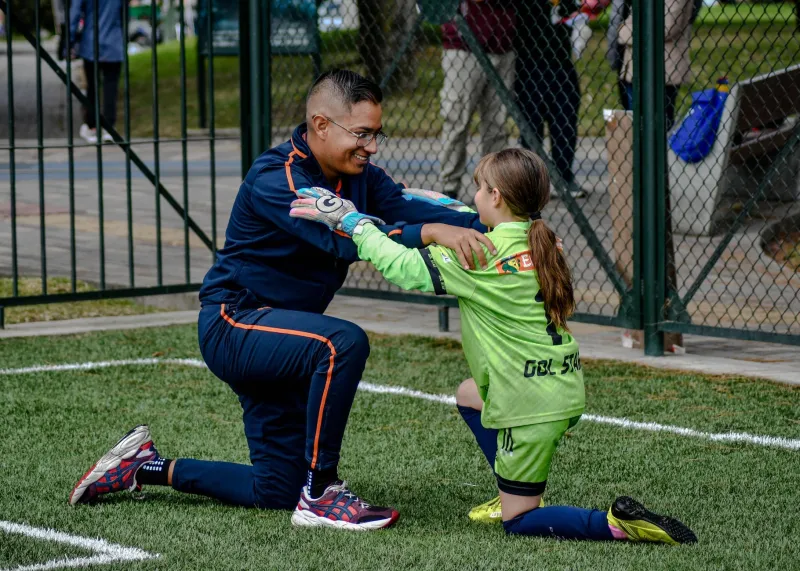
You signed your kid up for soccer because they begged you. They were obsessed—talking about it at dinner, kicking a ball around the backyard until you made them come inside. Fast forward two years, and getting them to practice feels like pulling teeth. They're tired all the time. They snap at their teammates. They've stopped mentioning the sport altogether unless they have to.
Sound familiar? You might be looking at burnout.
It's one of the more heartbreaking things to watch as a parent, and it's happening more and more in youth sports programs across Orlando. The good news is that burnout is almost always preventable—and even when it's already set in, there's a real path back to joy if you catch it early enough.
What Burnout Actually Looks Like
Burnout isn't just being tired after a tough week of training. It's a deeper kind of exhaustion that touches a kid's motivation, mood, and sense of identity. Sports researchers describe it as a combination of physical fatigue, emotional drain, and a growing sense of feeling trapped or devalued in the athletic context.
Here are some signs worth paying attention to:
- Dreading practice — Not the occasional "I don't feel like going today," but consistent resistance and anxiety before games or training sessions.
- Physical complaints without a clear cause — Stomachaches, headaches, or vague soreness that conveniently appear on game days.
- Dropping performance despite effort — When a kid is working hard but getting worse, it's often a sign their body and mind are overwhelmed.
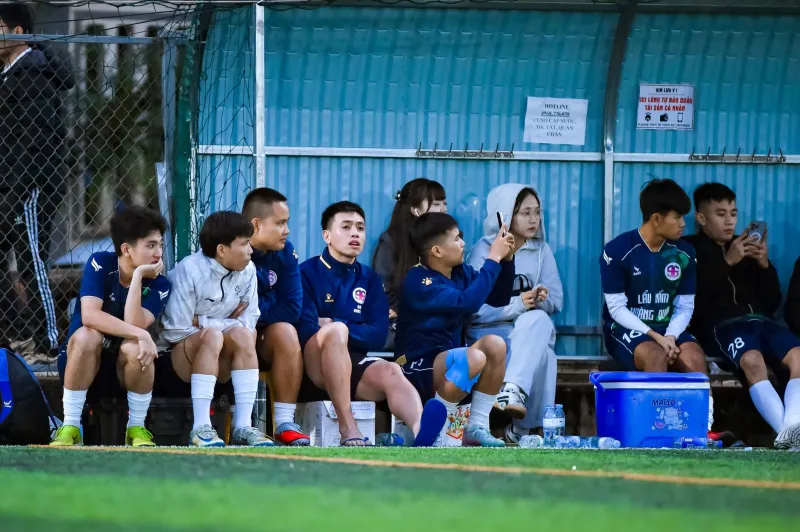
- Withdrawal from teammates — Kids who loved the social side of their sport suddenly going quiet or avoiding teammates.
- Loss of personal identity outside sports — When a child can't tell you what they enjoy besides their sport, that's a warning sign.
- Irritability or emotional flatness — Mood swings or a general "blah" attitude that wasn't there before.
None of these signs alone means burnout is guaranteed. But several of them together, persisting over weeks? That's worth a real conversation.
The Over-Specialization Problem
One of the biggest contributors to youth sports burnout is something a lot of well-meaning parents are actively pursuing: early specialization.
The idea that your child needs to focus on one sport year-round from a young age to reach their potential is everywhere right now—and it's largely a myth. In fact, research consistently shows that most elite athletes were multi-sport athletes well into their teens. Early diversification builds broader athleticism, reduces overuse injuries, and—crucially—keeps kids from burning out on a single sport before they're old enough to drive.
In Orlando's competitive youth sports scene, the pressure to specialize early is real. Travel teams, showcase tournaments, and year-round training programs are marketed in ways that can make parents feel like opting out means falling behind. But pediatric sports medicine experts and youth development researchers are pretty clear: before puberty, variety isn't just fine—it's actually better for long-term athletic development.
If your child is playing the same sport twelve months a year and showing any of the signs above, the schedule itself might be part of the problem.
Rest Isn't the Enemy
Somewhere along the way, rest got a bad reputation in youth sports. "Off-season" became a dirty word. Downtime started feeling like lost ground.
But here's the thing: rest is when adaptation happens. It's when the body repairs itself, when the brain consolidates learning, and when kids remember why they loved the game in the first place. The American Academy of Pediatrics recommends that young athletes take at least one to two days off per week from organized sports and a minimum of two to three months off per year from any single sport.
For a lot of families in Orlando, that kind of intentional rest might feel counterintuitive. But think about it from your child's perspective. If you worked every single day without a real break, doing the same tasks under pressure, you'd burn out too. Kids are no different.
Building genuine rest into your child's athletic calendar isn't falling behind. It's smart development.
Keeping the Joy in the Game
One of the most effective things you can do as a parent is stay curious about your child's inner experience of their sport—not just their performance.
Try asking different questions. Instead of "How'd practice go?" or "Did you score?" try:
- "What was the most fun part of today?"
- "Was there anything that frustrated you?"
- "Do you feel like your coaches are listening to you?"
- "If you could change one thing about your team or schedule, what would it be?"
These kinds of questions open the door for honest conversation. They also send a message that you care about your kid's experience, not just their results.
Also worth examining: your own behavior on the sidelines. Kids are deeply attuned to their parents' reactions during games. If every car ride home becomes a film review, if your facial expressions during games communicate disappointment, or if you're more stressed about the outcome than your child is—that pressure lands. It adds to the emotional load a kid is already carrying.
This isn't about being passive or disengaged. It's about making sure the sport remains your child's experience, not yours.
When to Pump the Brakes
Sometimes the right move is a hard one: pulling back on the schedule, skipping a season, or letting your child try something completely different for a while.
If your child tells you they want to quit, resist the immediate urge to push through it. There's a difference between healthy challenge—the kind that builds grit—and genuine suffering that's eroding a kid's relationship with sports altogether. One builds resilience. The other just builds resentment.
Having a calm, non-pressured conversation about what your child actually wants—and genuinely listening to the answer—is the most important thing you can do. Sometimes kids want a break, not a full exit. Sometimes they want to switch sports. Sometimes they need to know it's okay to say "I'm not having fun anymore" without disappointing you.
Giving them that space might feel like a short-term loss. But a kid who rediscovers their love of movement and competition on their own terms is far more likely to stay active, healthy, and engaged for the long haul.
The Big Picture
At Orlando City Youth, we believe sports are one of the most powerful tools we have for developing young people. But that power only works when kids are actually enjoying the journey. The goal isn't to produce burned-out twelve-year-olds who've already peaked. It's to grow athletes who carry their love of the game—and everything it teaches them—into adulthood.
Your job as a parent isn't to manage your child's athletic career. It's to make sure they feel safe, supported, and free to be a kid while they still are one. That's the foundation everything else gets built on.