Cut, Benched, and Coming Back Stronger: What Orlando's Young Athletes Do Next
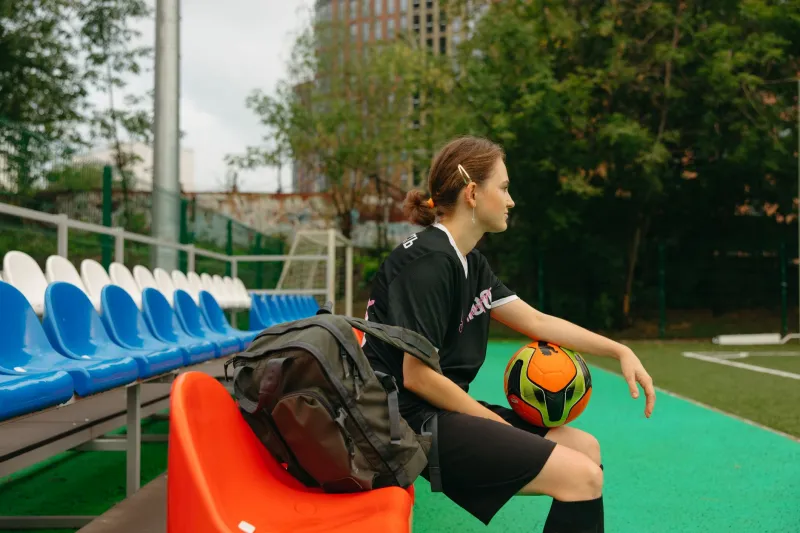
There's a particular kind of silence that follows a roster announcement. The kind where a kid scans the list once, then twice, then steps away from the board hoping nobody saw their face fall. For a lot of young athletes, getting cut or demoted to the bench isn't just a sports moment — it feels deeply personal. Like the game they've given everything to just handed them a rejection letter.
But here in Orlando, something interesting keeps happening. Kids who hit that wall? A lot of them come back. Not just to the sport, but to themselves — with a sharper edge and a story worth telling.
When the Rejection Feels Real
Let's not sugarcoat it: being cut hurts. And it's supposed to. Dismissing that pain too quickly — jumping straight to "everything happens for a reason" — actually does more harm than good. Young athletes need space to feel the disappointment before they can do anything productive with it.
Marcos, a 15-year-old midfielder from the east Orlando area, remembers the day he was dropped from his travel team's starting lineup mid-season. "I didn't want to go to practice. I didn't even want to talk about soccer," he says. "I just felt like I wasn't good enough and never would be."
That feeling — the one that conflates a single outcome with total identity — is exactly where the real work begins.
Experts who work with youth athletes consistently point out that the brain doesn't automatically separate "I got cut from a team" from "I am a failure." That distinction has to be built, and it takes time, support, and the right kind of conversations.
The Identity Trap
One of the biggest challenges youth sports organizations face is helping kids understand who they are beyond their sport. When a young person has been an "athlete" since age six, that label becomes load-bearing. Pull it away — even temporarily — and the whole structure can wobble.
Coaches and mentors at Orlando City Youth see this play out regularly. When a kid's entire sense of self-worth is tied to playing time or a roster spot, any setback reads as catastrophic. The goal isn't to make sports matter less — it's to make the athlete matter more.
That means actively building identity outside of performance. Encouraging kids to pursue interests beyond their sport, to develop friendships that aren't tied to their team, and to recognize the qualities they bring to every room they walk into — not just the field.
What Actually Helps: Real Strategies That Work
Let them grieve first. Parents and coaches often rush to fix the situation before the athlete has had a chance to process it. Give them 24 to 48 hours to feel what they feel. Then gently start opening doors.
Ask better questions. Instead of "What went wrong?" try "What do you want to do about it?" The first question looks backward and assigns blame. The second one hands the athlete agency — which is exactly what they need to rebuild confidence.
Set small, winnable goals. After a major setback, the path back to confidence is paved with small wins. Work with your athlete to identify one specific skill they want to improve. Not five. One. Progress on something measurable starts to rebuild the internal narrative that they are capable.
Find a new context to compete in. Sometimes the best move after getting cut is finding a different team, a recreational league, or even a different sport for a season. Jayla, a 13-year-old from the Dr. Phillips area, got cut from her school's volleyball team as a seventh grader. Her mom signed her up for a community basketball program that fall. "I wasn't trying to replace volleyball," Jayla says. "But basketball reminded me that I was still an athlete. That helped more than I expected."
Talk to someone who's been there. Mentorship matters enormously here. When a young athlete hears from an older player — or even a coach — who went through something similar and kept going, it reframes the narrative. The setback stops feeling like a dead end and starts feeling like a chapter.
The Coach's Role in the Recovery
If you're a coach who's had to cut a kid or reduce their playing time, the conversation doesn't end at that decision. How you deliver the news — and what you do afterward — matters a lot.
Being specific is more respectful than being vague. "We need you to develop your defensive positioning" is something a kid can work with. "It just wasn't the right fit" is a door closed with no handle on the inside.
Follow-up matters too. Checking in a few weeks later, pointing out genuine improvement, and keeping the door open for future conversations — these aren't just nice gestures. They're part of a coach's job when it comes to developing the whole athlete.
Orlando City Youth coaches are trained to think about these moments as inflection points, not endpoints. A kid who learns how to respond to adversity at 13 is going to carry that skill into every hard thing life throws at them later on. That's the long game.
Rejection as Redirection
Some of the most compelling stories coming out of youth sports programs in Central Florida involve athletes who were told no — and used that no as a starting point.
Dante was cut from his high school football team as a sophomore. Instead of walking away from the sport, he spent the summer training with a local skills coach, studying film, and working on his conditioning. He made the team the following year and earned a starting spot by his senior season. "Getting cut was the best thing that happened to me," he says now. "Not because it felt good, but because it made me actually work for something."
That kind of story isn't an accident. It's the result of a kid having the right support system around him when things fell apart.
What Parents Can Actually Do
Your job isn't to fix it. Your job is to stay present without making the situation about you. Resist the urge to call the coach, blame the system, or tell your kid they were robbed. Even if you believe all of those things, leading with them teaches your athlete to externalize blame rather than develop resilience.
Instead, show up. Drive to the extra practice they schedule for themselves. Notice when they're putting in the work. Ask about their goals, not their playing time. And remind them — consistently, not just once — that their value as a person has nothing to do with whether their name is on a roster.
The kids who come back from these moments aren't the ones who had it easiest. They're the ones who had people in their corner when it was hardest.
That's something every parent, coach, and mentor in Orlando has the power to be.