Reading the Room: How Playing on a Team Quietly Builds Emotional Intelligence in Young Athletes
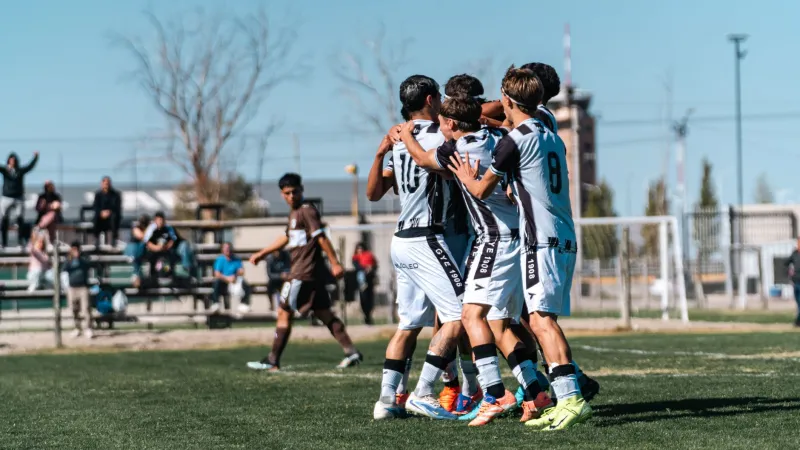
Ask most parents why they sign their kid up for youth sports and you'll hear the usual answers—fitness, discipline, maybe a college scholarship someday. What rarely comes up is emotional intelligence. And yet, if you spend enough time around Orlando's youth athletic programs, you start to notice something. The kids who've been playing team sports for a few years aren't just faster or stronger. They're sharper in ways that are harder to measure.
They notice when a teammate is off. They know when to push and when to back off. They've figured out, through a hundred small moments on the field, how to read a room.
That's not an accident. Competitive team environments are, in a lot of ways, one of the best emotional training grounds a kid can have.
What Emotional Intelligence Actually Looks Like in Youth Sports
Emotional intelligence—often shortened to EQ—is basically the ability to recognize, understand, and manage emotions, both your own and other people's. Researchers have tied it to stronger relationships, better leadership, and even higher earning potential in adulthood. And while plenty of programs try to teach it in a classroom, team sports may be doing it more effectively without even trying.
Here's why: the emotions in sports are real. A kid who blows a penalty kick in the final minute isn't practicing a hypothetical. They're living through genuine embarrassment, disappointment, and pressure—in front of their peers. And the teammates around them? They have to figure out, in real time, how to respond.
Do you say something? Do you give space? Do you make a joke to cut the tension, or does that make it worse?
Those micro-decisions, made dozens of times over a season, are emotional intelligence being built in the wild.
Learning to Read Your Teammates Before They Say a Word
One of the quieter skills that team sports develop is nonverbal awareness—the ability to pick up on what someone is feeling before they've said anything out loud.
At Orlando City Youth programs, coaches have noticed this showing up in real ways. A player who's been on the same team for a season or two starts to know when their midfielder is frustrated, even when that kid hasn't said a word. They can tell from body language—dropped shoulders, slower jogs back to position, the way someone avoids eye contact after a missed pass.
That kind of attunement doesn't come from a worksheet. It comes from being in close quarters with the same group of people, under pressure, over and over again.
Kids who develop this skill carry it into every relationship they'll have for the rest of their lives. The ability to walk into a room and gauge the emotional temperature? That's leadership. That's empathy. And sports is where a lot of kids first learn it.
Conflict on the Court Is a Classroom in Disguise
Let's be honest—youth sports can get heated. Teammates argue. Egos clash. Someone feels like they're not getting enough playing time, or blames a loss on a specific play someone else made.
In those moments, a coach's instinct might be to shut it down fast. But some of the best developmental coaches in Orlando are learning to pause first—to let kids navigate the conflict with some guidance, rather than resolving it for them.
Because working through a disagreement with a teammate is incredibly instructive. You have to figure out how to express frustration without blowing up a relationship. You have to listen to a perspective you don't agree with. You have to care enough about the team's success to set your own ego aside—at least a little.
Those are skills that therapists spend years helping adults develop. Youth athletes are getting reps on them at twelve.
One coach at an Orlando City Youth program put it simply: "The kids who learn to talk it out instead of shutting down—those are the ones who end up being leaders. Not just on the field. Everywhere."
Supporting a Struggling Teammate: Empathy in Action
Maybe the most powerful emotional lesson team sports teaches is what it looks like to show up for someone who's going through it.
Every team, at some point, has a player who's in a slump. Or dealing with something at home. Or just having a stretch where nothing is clicking. How a team responds to that player says everything about the emotional culture that's been built.
In youth programs that prioritize this intentionally, coaches create space for it. They might point out when a player is struggling and ask the team how they can help. They model what it looks like to check in on someone—not with pity, but with genuine care.
Kids pick this up. Over time, they start doing it themselves without being prompted. A teammate misses a big shot and, instead of silence or eye-rolls, someone jogs over and says "shake it off, I got you." That's empathy in action. That's a young person developing the emotional vocabulary to support someone else through a hard moment.
And that skill? It transfers directly. To friendships. To future workplaces. To parenting, eventually.
High-Stakes Moments Teach Emotional Regulation
There's a reason so many leadership programs use high-pressure simulations—because stress reveals how someone actually operates emotionally. Youth sports do this naturally, constantly.
A tied game with two minutes left. A championship on the line. A teammate who just got injured. These moments demand that young athletes manage their own emotional state while still functioning as part of a group. That's a genuinely advanced skill.
Kids who play competitive team sports get exposure to these situations early and often. They learn—sometimes painfully—that panic is contagious, and so is calm. They start to understand that the way they carry themselves in a tough moment affects everyone around them.
That's not just sports psychology. That's the foundation of emotional leadership.
Why This Matters Beyond the Field
Orlando City Youth exists because we believe sports are about more than winning games. The skills young athletes develop in competitive team environments—reading people, managing conflict, showing empathy, staying composed under pressure—are the same skills that make someone a great friend, a trusted coworker, a thoughtful partner.
The field is a training ground. But what gets built there doesn't stay there.
So the next time you're watching your kid navigate a tough moment with a teammate—or watching them jog over to check on someone who just had a rough play—know that something bigger is happening. They're learning to read the room. And that's one of the most valuable things sports can give them.