When the Hurt Hides Inside: Helping Young Athletes Heal From Wounds You Can't See on an X-Ray
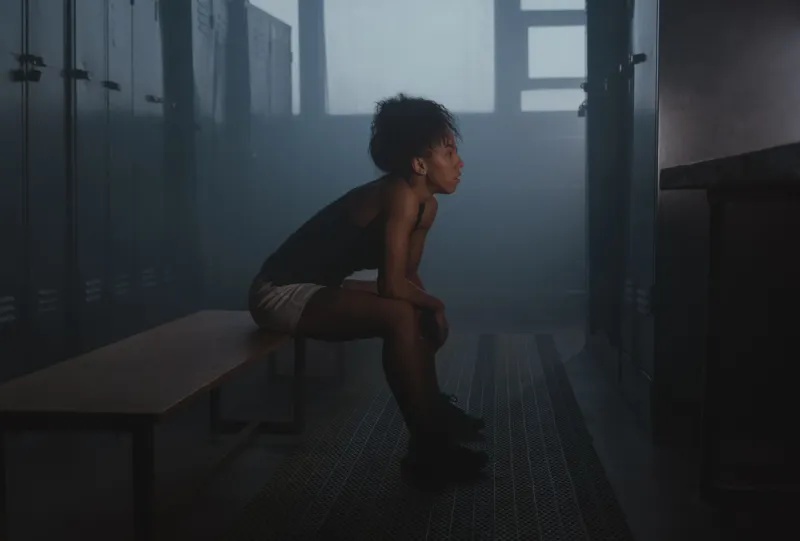
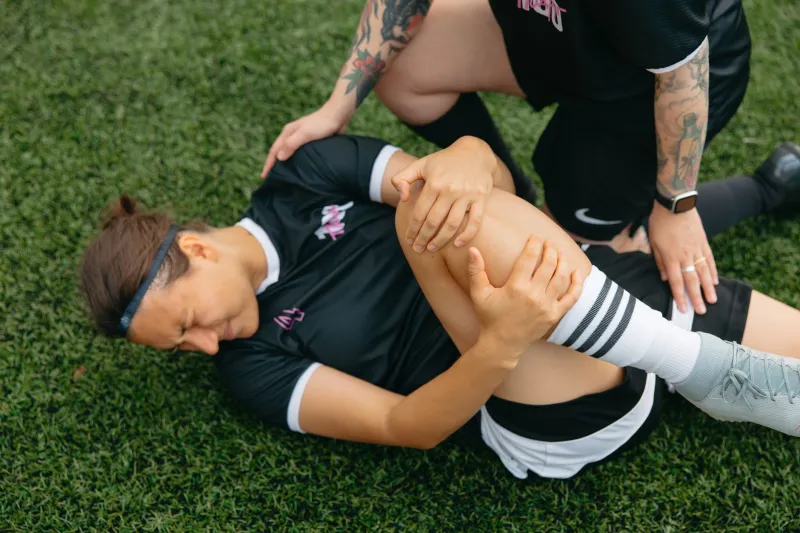
You've probably seen a kid clutch a hamstring or roll an ankle. You know what that looks like. You know what to do — ice it, rest it, maybe get it checked out. But what about the kid who suddenly starts complaining of stomachaches every Saturday morning before games? Or the one who used to sprint onto the field and now drags their feet to the car? What about the teenager who can't sleep the night before a big match, not because they're excited, but because something in their chest feels like it's caving in?
Those aren't always physical problems. And they're definitely not laziness or excuses. In a lot of cases, they're the body's way of carrying emotional weight it doesn't know how to put down.
At Orlando City Youth, we talk a lot about building champions on and off the field. That means we have to be honest about something the sports world doesn't always want to sit with: competition can be traumatic. Not for every kid, not every time. But for some young athletes, certain experiences — getting humiliated in front of a crowd, being mocked by teammates, failing publicly over and over again — leave marks that go way deeper than tired legs.
Why the Body Holds What the Mind Tries to Forget
Here's the thing about psychological stress in young people: it doesn't just stay in their heads. Research on the mind-body connection has shown pretty clearly that emotional distress gets stored in the nervous system. When a kid experiences something scary or deeply embarrassing, their brain kicks into protection mode. That's a good thing in the moment. The problem is when that protective response doesn't turn off — when the body keeps treating practice like a threat, even when the actual danger is long gone.
For young athletes, this can show up in a bunch of different ways:
- Unexplained physical complaints — headaches, stomachaches, muscle tightness that doesn't respond to stretching or rest
- Avoidance behaviors — suddenly "forgetting" equipment, faking illness, finding reasons to miss practice
- Performance anxiety that feels physical — shaking hands, racing heart, trouble breathing before games
- Emotional shutdown during competition — going blank, freezing up, making uncharacteristic errors under pressure
- Irritability or mood changes around practice schedules or game days
None of these automatically mean trauma. But when they show up consistently, especially after a specific event or during a rough stretch of a season, they deserve more than a shrug.
The Moments That Leave a Mark
It's worth naming what kinds of experiences can tip over into psychological injury territory for kids. We're not just talking about catastrophic events. Sometimes it's quieter than that.
Public failure is a big one. A missed penalty kick in front of a packed bleacher section. Dropping the ball on the final play. Striking out with the bases loaded. For adults, these moments sting and then fade. For a 12-year-old still figuring out their identity, they can feel like the whole world just watched them fall apart. If that kid doesn't have the emotional tools to process it — or if the people around them respond poorly — that moment can calcify into something heavier.
Peer harassment is another one that gets underestimated. Locker room culture can be brutal, and coaches don't always see what happens when they're not in the room. A kid who's being mocked by teammates for their performance, their body, or just for being different is dealing with a kind of ongoing stress that absolutely affects how they show up physically.
And then there's repeated disappointment — getting cut season after season, never making the starting lineup no matter how hard they work, watching effort go unrewarded. That kind of chronic frustration can erode a kid's nervous system over time just as surely as any overuse injury.
What Parents Can Actually Do
First, resist the urge to fix it immediately. When a kid is carrying something heavy, the instinct is to problem-solve. But often what they need first is just to feel like someone is paying attention — not to their stats, not to their potential, but to them.
Ask open questions and then actually wait for the answer. "How are you feeling about the season?" is better than "What's going on with your game?" If they say "fine," try again another day. Stay curious without being pushy.
Pay attention to physical patterns. If your kid keeps getting stomachaches on game days, don't just treat the stomach. Ask what's happening emotionally around those times. The body is communicating something. Listen to it like a message, not a malfunction.
Normalize the conversation about mental health in sports. If your kid grows up hearing you talk about emotional recovery the same way you talk about physical recovery, they're way more likely to come to you when something's off. Drop the stigma at home so they don't have to carry it alone.
And if things feel serious — if avoidance is significant, if anxiety is affecting daily life, if your kid seems genuinely stuck — don't hesitate to bring in a professional. Sports psychologists and therapists who work with young athletes are not just for elite programs. They're for any kid who needs support.
What Coaches Can Do Differently
Coaches are often the first line of awareness here, because they see kids in a context parents don't. A coach who's tuned in will notice when a usually confident player starts hesitating, when body language changes, when a kid who used to ask questions goes quiet.
Creating a culture where it's safe to struggle is probably the most powerful thing a coach can do. That means not shaming mistakes in front of the group. It means checking in after rough games with genuine curiosity, not just tactical feedback. It means occasionally asking the team — not just the standout players — how they're doing as people, not just as athletes.
It also means having honest conversations with parents when something seems off. Coaches aren't therapists, and they shouldn't try to be. But they can be the bridge that connects a struggling kid to the support they actually need.
Recovery Looks Different Than You Think
Physical injuries have clear recovery timelines. Emotional ones don't. That can be frustrating for everyone involved — the kid who wants to feel normal again, the parent who wants to help, the coach who wants their athlete back.
But healing from invisible wounds often involves some really simple, unglamorous stuff: consistent sleep, time away from performance pressure, safe relationships, and the chance to experience joy in movement without it being attached to outcomes. Sometimes that means stepping back from competition for a bit. Sometimes it means finding a different sport or a different environment entirely.
What it almost never means is pushing through and pretending nothing happened.
At Orlando City Youth, we believe the game is supposed to make kids' lives bigger, not smaller. When it starts doing the opposite — when a kid is shrinking, hurting, hiding — that's not a sign they're weak. It's a sign they need us to show up differently. And that's something every parent, coach, and community member in Orlando can do.