Built or Broken: What Actually Shapes Whether a Young Athlete Believes in Themselves
The Kid Who Hesitates
You've seen it. The athlete who has every physical tool — speed, coordination, instincts — but the moment things get competitive, something shifts. The shoulders drop. The eyes go down. They play not to fail instead of playing to win.
And then there's the other kid. Maybe not the most naturally gifted on the roster, but they step into pressure moments like they've been waiting for them. Mistakes roll off. Challenges get met.
What separates these two kids isn't talent. It's confidence — and more specifically, it's how that confidence was shaped before they ever laced up their cleats.
Understanding that gap is one of the most important things a coach or parent can do. Because confidence in youth sports isn't some personality trait kids are born with. It's built. And it can be broken, too.
Where Confidence Actually Comes From
Sports psychologists have spent decades studying this, and the findings keep pointing to the same place: early experiences carry enormous weight.
When a young athlete tries something hard and succeeds — even partially — their brain logs that as evidence. I can do this. When they try and fail, and the adults around them respond with frustration, embarrassment, or silence, the brain logs something very different. Maybe I can't.
Repeat those experiences enough times, and a belief system forms. By the time a kid is 10 or 12, they've already built a mental model of what they're capable of. It's not always accurate. But it feels completely real to them.
That's the tricky part. A kid who has developed a confidence gap isn't being dramatic or weak. They're operating off a story they've been told — directly or indirectly — about who they are as an athlete.
How Coaching Feedback Shapes the Story
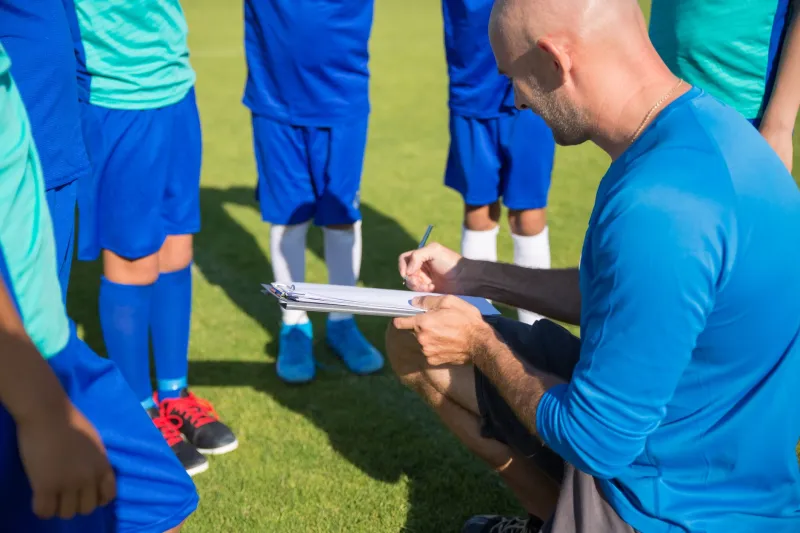
Coaches often underestimate how much their words stick. Not just the big speeches before championship games — the offhand comments during practice, the tone used after a missed play, the body language when a kid asks a question.
Negative feedback delivered without care doesn't just correct a technical mistake. It can become part of how a kid defines themselves. Coach got frustrated when I messed that up. I must not be good at this.
On the flip side, praise that's too generic — "great job!" for everything — doesn't build real confidence either. Kids are smarter than we give them credit for. They know when they've actually earned something and when they're just being managed.
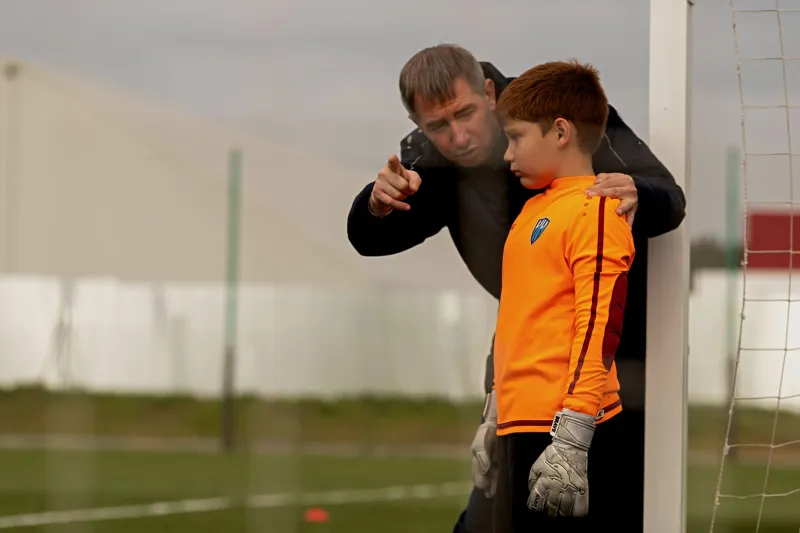
What works is specific, honest feedback tied to effort and process rather than just outcomes. "You stayed patient on that play and it paid off" tells a kid something meaningful about what they did and why it mattered. That's the kind of feedback that builds a durable belief system.
Here in Orlando, coaches working with youth programs see this play out constantly. The kids who grow the most over a season are almost always the ones whose coaches took time to give real, constructive feedback — not just cheerleading and not just criticism.
The Family Dynamic Nobody Talks About Enough
Parents are the first coaches any kid ever has. Long before organized sports, kids are watching how the adults in their lives respond to their attempts, failures, and wins.
A parent who panics when their kid struggles, who over-corrects every mistake, or who ties love and approval to performance — even subtly — can do real damage to a young athlete's confidence. The kid learns that failure is dangerous. That being imperfect is something to hide.
Equally harmful is the parent who dismisses struggles. "You'll be fine, stop overthinking it" sounds supportive, but it teaches kids that their fears aren't worth talking about. So they stop talking about them. And the self-doubt just goes underground.
What actually helps is a parent who can sit with discomfort alongside their kid. Who says, "That was tough — what do you think happened out there?" instead of either spiraling or brushing it off. Curiosity over judgment. That's the environment where confidence grows.
Practical Moves for Coaches
If you're working with a kid who clearly struggles with self-belief, here are a few things that actually move the needle:
Start with small wins. Put that athlete in situations where success is genuinely achievable, not handed to them, but within reach. Let them feel what it's like to execute under a little bit of pressure. Stack those experiences intentionally.
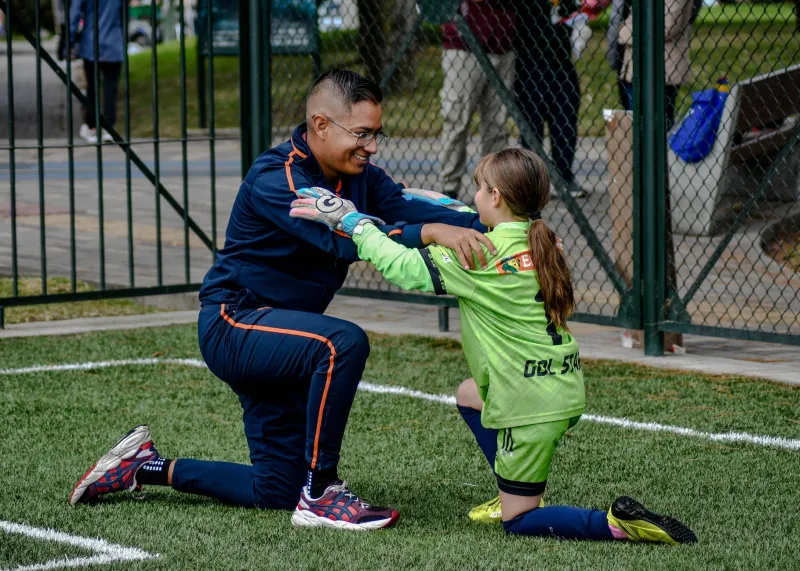
Name what you see. When a hesitant kid does something well, don't just clap and move on. Stop and describe specifically what they did. "You held your position even when the play broke down — that's composure. That's hard to teach." They need to hear it said out loud.
Normalize the struggle. Share stories — your own if you have them — about times things were hard and got better. Create a team culture where working through difficulty is respected, not hidden.
Watch how you respond to mistakes. Your reaction in the moment after an error is one of the most powerful coaching tools you have. A calm, solution-focused response teaches a kid that mistakes are information, not indictments.
What Parents Can Do at Home
The car ride home after a game is sacred territory. It can either reinforce confidence or quietly erode it, depending on how it goes.
Try a simple rule: for the first 20 minutes after a game, no analysis. Just let the kid decompress. Ask how they're feeling before you ask how they played. Let them lead the conversation about what happened on the field.
When you do talk about the game, focus on growth over results. "What's one thing you're going to work on this week?" is a better question than "Why didn't you drive to the basket more?" One opens a door. The other closes one.
Also, pay attention to how you talk about sports in general around your kid. If they hear you constantly criticizing the coach, complaining about playing time, or comparing them to other athletes, that's getting absorbed. Kids are always listening, even when they look like they're not.
Confidence Isn't Arrogance — And That Matters
One last thing worth saying clearly: building confidence in a young athlete isn't about creating someone who thinks they're better than everyone else. That's not confidence — that's insecurity wearing a costume.
Real confidence is quiet. It's the kid who gets knocked down and gets back up not because they're sure they'll win, but because they trust themselves to keep going. It's the athlete who can try something new without needing a guaranteed outcome.
That kind of belief doesn't come from trophies or highlights. It comes from a thousand small moments where the adults around them said — through their words, their reactions, their patience — I see you. You can handle this.
That's what we're building here in Orlando. Not just better athletes. Kids who believe in themselves long after the final whistle.