Sweat in the Shadows: How Off-Season Grind Is Building Orlando's Next Generation of Standout Athletes

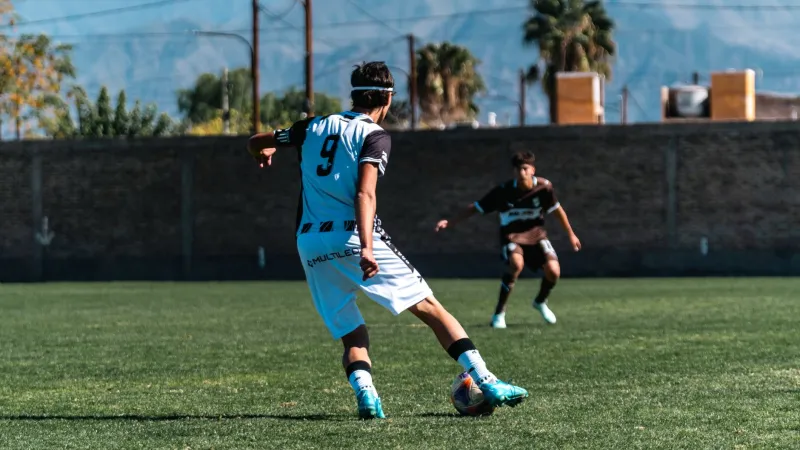
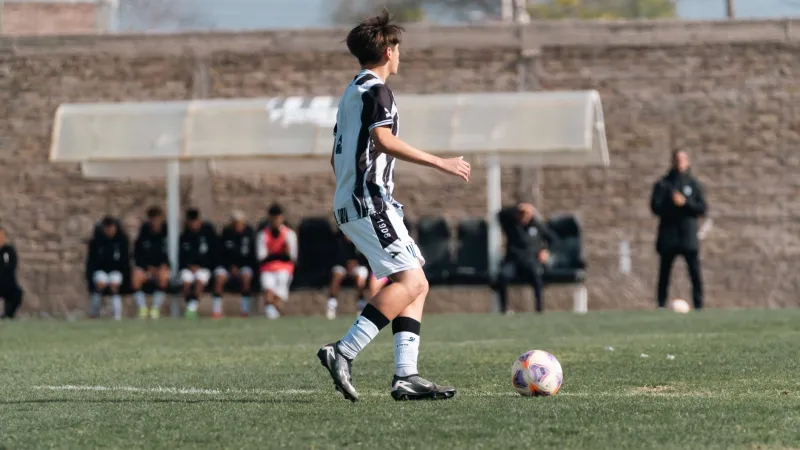
There's no scoreboard. No crowd. No jersey. Just a kid, a ball, and a goal that nobody else can see yet.
That's what off-season training looks like for a lot of young athletes across Orlando — and honestly, it's where the most important work gets done. The games get the attention. The trophies get the photos. But the version of an athlete that shows up ready to compete? That version was built in the months when nobody was watching and nothing was on the line except the player's own commitment to getting better.
At Orlando City Youth, we've seen this play out again and again. The kid who suddenly looks like a different player in the spring didn't transform overnight. They just did the work when it wasn't required — and that distinction matters more than most people realize.
Why the Off-Season Gets Underestimated
Here's the thing about the off-season: it doesn't feel urgent. The season is over. There's no next game to prepare for, no coach blowing a whistle, no teammates pushing you to keep up. For a lot of young athletes — especially teenagers — that lack of structure makes it easy to coast.
And honestly, a little rest is necessary. Sports science backs that up. Recovery matters. But there's a big difference between intentional rest and just drifting away from the habits that make an athlete grow.
The players who use the off-season strategically aren't burning themselves out. They're doing targeted, purposeful work — the kind that fills in the gaps that a busy season schedule doesn't always allow for. They're strengthening weak points, expanding their skill sets, and building mental toughness in low-pressure environments where they can afford to fail and try again.
That's a luxury the regular season rarely offers.
What Smart Off-Season Training Actually Looks Like
For Marcus, a 15-year-old midfielder who plays with one of our Orlando City Youth clubs, the off-season used to mean video games and late mornings. Last year, something shifted. He started waking up early three times a week to work on his weak foot — not because a coach told him to, but because he'd watched film from his previous season and identified the problem himself.
"I kept losing the ball on my left side," he said. "Defenders figured it out. So I spent the whole summer just working on that one thing."
By the time preseason rolled around, his left foot had become a genuine weapon. His coach noticed within the first week of practice. His teammates noticed. So did opposing defenders — eventually.
That's the kind of transformation that only happens in the off-season, because the regular season rarely gives you enough time or mental space to truly rebuild a technical weakness from the ground up.
For other athletes, off-season development looks different. Some focus on strength and conditioning — building the physical foundation that makes everything else easier. Others use the time to work on mental skills: visualization, managing competitive anxiety, developing pre-performance routines that help them stay calm under pressure.
Jada, a 16-year-old goalkeeper from east Orlando, spent part of her off-season working with a sports psychology resource her club connected her with. She'd been struggling with mental blocks after a rough playoff run. "I wasn't scared of the ball or anything," she explained. "I just couldn't stop replaying the mistakes. The off-season gave me time to actually work through that without the pressure of games every weekend."
She came back this past season noticeably steadier. Her save percentage climbed. More importantly, her confidence came back.
The Role Parents Play (Without Overplaying It)
Parents have a genuinely tricky role during the off-season. On one hand, you want to encourage your kid to stay engaged and keep developing. On the other, hovering or pushing too hard can backfire — turning voluntary growth into something that feels like another obligation.
The sweet spot? Be a resource, not a scheduler.
If your athlete expresses interest in working on something specific, help them find the tools to do it — whether that's a skills clinic, a strength program at a local gym, or even just YouTube tutorials on technique. Ask questions. Show interest in what they're working on. But let the initiative come from them as much as possible.
One of the most powerful things a parent can do is simply make the environment supportive. That might mean driving to an early morning session without complaint, setting up a small training space in the backyard, or just affirming that the quiet work they're putting in has value — even when no one's keeping score.
Because here's what kids sometimes need to hear: the off-season grind isn't invisible to everyone. Their coaches notice. Their teammates notice. And eventually, the results show up in ways that are impossible to miss.
What Coaches Can Do to Support the Quiet Season
Coaches have a real opportunity during the off-season to set their athletes up for the best possible development — without overloading them.
Start by having honest, individual conversations at the end of each season. What did each player struggle with? What do they want to work on? Giving athletes specific, personalized targets for the off-season gives their training direction and purpose. It also sends a message: I see you as an individual, not just a position on the roster.
Sharing resources matters too. A curated list of conditioning workouts appropriate for a player's age and position, some mental skills exercises, or recommendations for local camps and clinics can make a real difference for families who want to help but don't know where to start.
And when preseason arrives, acknowledge the work your athletes put in. Even a brief conversation — "I can tell you've been working on your first touch" — validates the effort in a way that sticks with a young person.
The Invisible Investment That Pays Off Loudest
Game day gets the glory. That's just how sports work. The goals, the saves, the big plays — those are what people photograph and talk about. But every single one of those moments was built on something quieter and less glamorous.
Orlando's youth athletes are learning that lesson, and it's one of the most valuable things sports can teach. The discipline to work when no one is watching. The patience to develop a skill over weeks and months rather than expecting overnight results. The self-awareness to identify weaknesses and address them honestly.
Those aren't just athletic qualities. They're life qualities.
At Orlando City Youth, building champions on and off the field means recognizing that the championship mindset doesn't start when the season does. It starts in the quiet months in between — in the gym, on the empty field, in the mental work that nobody films but everybody eventually sees.
The comeback nobody sees is still a comeback. And for a lot of Orlando's young athletes, it's the most important one they'll ever make.