Question Everything: Why the New Generation of Athletes Is Making Coaches Better at Their Jobs
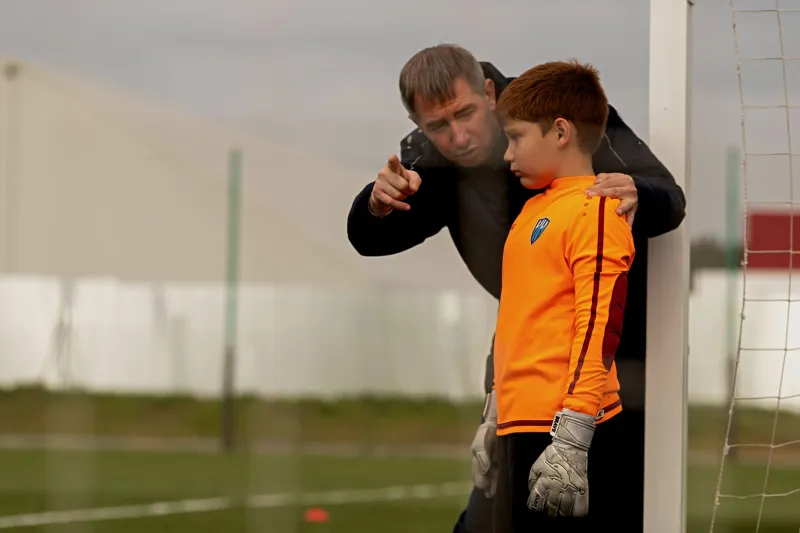
There's a moment most youth coaches in Orlando know well. You call a drill, explain the formation, or make a substitution — and instead of a nod and a jog to the field, you get a look. Maybe a question. Sometimes a full-on "but why, though?"
A generation ago, that kind of response might've earned a kid a spot on the bench. Today, the coaches who are actually building something real are starting to recognize it for what it is: curiosity, not defiance. And that shift in perspective is quietly changing the way youth sports development works in this city.
The Old Playbook Isn't the Only Playbook
Traditional coaching has always leaned on a pretty clear hierarchy. Coach speaks. Athletes listen. Execution follows. That model built a lot of champions, and there's nothing inherently wrong with structure — in fact, structure is still at the core of what makes great youth programs work.
But the kids showing up to practice in 2024 are wired differently than the kids who came before them. They've grown up with more information at their fingertips than any previous generation. They've been encouraged — at school, at home, online — to ask questions and think critically. And when they step onto a field or a court and suddenly get told to just trust the process without any explanation, a lot of them struggle to make that switch.
The tension that creates isn't a discipline problem. It's a communication gap. And the coaches who are figuring that out first are the ones producing the most well-rounded, resilient young athletes in Orlando.
What "Coachable" Used to Mean — and What It Actually Should
For a long time, "coachable" was basically code for compliant. The ideal athlete absorbed instruction, made adjustments without complaint, and deferred to the coach's judgment at every turn. Hustle, listen, repeat.
That version of coachability still has real value. Knowing how to take feedback without getting defensive is a life skill. Learning to trust someone with more experience than you is part of growing up. Nobody's throwing that out the window.
But here's the thing — coachability was never supposed to mean switching off your brain. The most coachable athletes in history weren't blank slates. They were deeply engaged. They studied film obsessively, asked their coaches hard questions in private, and brought ideas to the table. The difference was they also knew how to apply what they learned and operate within a team structure.
What today's young athletes are doing — at their best — is actually closer to that original spirit than the compliant version ever was. They're engaged. They care. They want to understand. The challenge is channeling that energy productively instead of treating it like a threat.
The Coaches Getting It Right
Across Orlando's youth athletic programs, there's a growing group of coaches who've made a conscious shift in how they communicate with their athletes. They're not abandoning authority — they're redefining what it looks like.
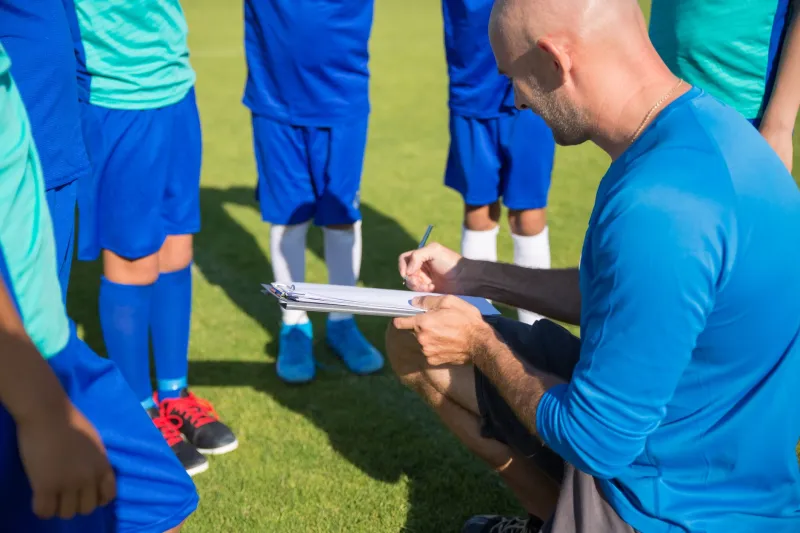
Instead of "because I said so," they're offering context. Instead of shutting down questions during practice, they're creating space for them — a quick explanation after the drill, a team conversation at the end of the session, an open-door policy for one-on-ones. They're treating athletes less like recipients of information and more like active participants in their own development.
The results are showing up in some unexpected ways. Athletes who understand the why behind a tactic tend to execute it better under pressure. Kids who feel heard by their coaches are more likely to speak up when something's wrong — an injury, a mental health concern, a conflict with a teammate. Teams where questions are welcomed tend to build stronger internal trust.
One youth soccer coach in the Orlando area put it simply: "I used to see questions as interruptions. Now I see them as investment. If a kid is asking why, they're paying attention. I'd rather have that than a player who nods and then does whatever they want on the field anyway."
When Pushback Crosses a Line
None of this means every question deserves a ten-minute discussion, or that athletes should be able to veto a coach's decision because they disagree with it. There's a real difference between a curious athlete and a defiant one, and part of developing young competitors is helping them understand that distinction.
Respecting your coach's authority isn't about blind obedience — it's about trusting a process even when you don't have the full picture yet. That's a lesson that translates directly into adult life, whether you end up in a workplace, a military unit, or a leadership role yourself. You won't always agree with the person above you. Learning to voice your concerns respectfully and then commit to the team's direction anyway is a skill worth developing early.
The best youth programs in Orlando are teaching both sides of this. Athletes learn to ask smart questions and advocate for themselves. They also learn when to put the question aside and just play. That balance — being self-aware without being self-centered — is where real character development happens.
Building the Kind of Athlete Who Lasts
Here's the bigger picture. Youth sports at Orlando City Youth isn't just about developing players for the next level. It's about developing people for life. And the young athletes who are learning to think critically, communicate respectfully, and operate within a team structure are building a foundation that goes way beyond whatever sport they happen to be playing.
The kid who challenges a coach's decision in a thoughtful way today is learning how to advocate for themselves in a job interview, a boardroom, or a difficult conversation with someone they care about. The athlete who learns to frame a question without making it confrontational is developing emotional intelligence that most adults spend years trying to acquire.
Coaches who recognize that are doing more than running practices. They're shaping how the next generation of Orlando's young people think, communicate, and lead.
The Bottom Line
The "quiet rebel" in youth sports isn't a problem to be solved. More often than not, they're an opportunity to build something better — a more transparent team culture, a sharper practice environment, and a coaching approach that actually keeps athletes engaged for the long haul.
The question isn't whether today's athletes will keep asking why. They will. The real question is whether the adults in the room are ready to answer — and grow right along with them.