When the Love of the Game Goes Quiet: Understanding Why Young Athletes Pull Back Mid-Season
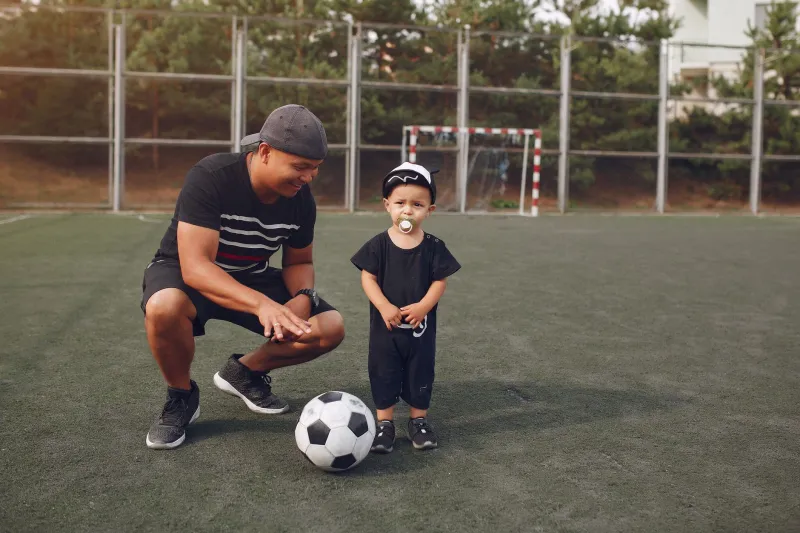
You've seen it before. Maybe you've lived it. Your kid used to count down the days to practice. They slept in their jersey. They kicked the ball against the garage wall until you had to physically call them inside for dinner.
Then something shifted.
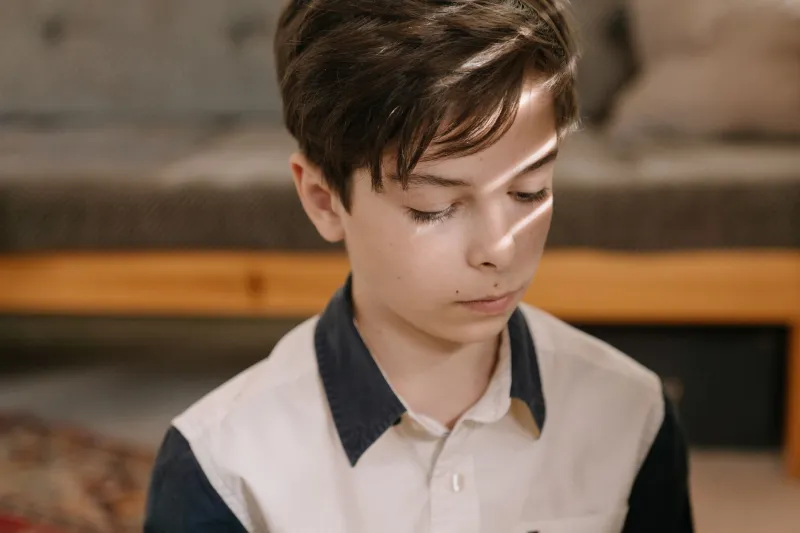
Now getting them out the door feels like negotiating a peace treaty. Their energy on the field is flat. They're going through the motions, and you can't figure out what happened. If your first instinct is to push harder, sign them up for extra training, or give the motivational speech you've been rehearsing in the car—pause for a second. Because what's happening here is rarely what it looks like on the surface.
It's Not Always Burnout (Even When It Feels Like It)
Burnout gets thrown around a lot in youth sports conversations, and it's a real thing. But mid-season motivation dips often have roots that run deeper and look different. Understanding the difference matters because the fix for one isn't the fix for the other.
Burnout is chronic. It builds over time through overtraining, emotional exhaustion, and feeling like there's no way off the treadmill. What a lot of young athletes experience mid-season is something more specific—a collision between who they thought they were as an athlete and who they're actually becoming.
Adolescence is basically a full-time identity renovation project. Kids are constantly asking themselves, consciously or not: Who am I? What do I actually care about? Does this thing I've been doing still feel like me? When sports have been a huge part of a kid's identity since they were six years old, there comes a point—often around middle school or early high school—where they genuinely need to decide if they want to keep claiming that identity. That process can look a lot like disengagement. It isn't laziness. It's development.
The Pressure That Comes With Being Good
Here's one that doesn't get talked about enough: sometimes the kids who pull back are the ones everyone else is counting on.
Success in youth sports creates its own kind of weight. When a young athlete becomes the go-to player—the one coaches rely on, the one parents point to in the stands, the one teammates expect to deliver—the joy of playing can quietly get replaced by the stress of performing. Every practice becomes an audition. Every game becomes a test of whether they can hold onto the reputation they've built.
Kids don't always have the language to describe this. They might just say they're tired, or that practice is boring, or that they don't know why they feel the way they do. But underneath that vagueness is often a very real anxiety about living up to expectations that feel bigger than they signed up for.
At Orlando City Youth, we see this pattern come up in our programs regularly. A kid who seemed destined to be a leader starts going quiet. Their effort dips. And when coaches or parents dig a little, what surfaces is something like: I feel like I can't mess up anymore. That's not an attitude problem. That's a kid who needs the pressure valve turned down.
Social Dynamics Are Running the Show More Than You Think
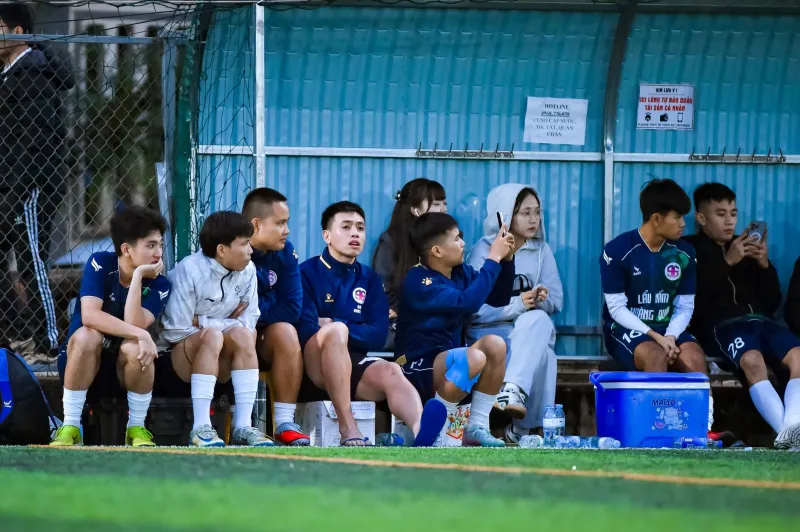
Youth sports don't happen in a vacuum. They happen in the middle of one of the most socially complicated periods of human development. Who's in whose friend group, who got more playing time, who made a comment in the locker room last Tuesday—all of it bleeds into how a kid shows up on the field.
A falling-out with a teammate can tank motivation faster than almost anything else. So can feeling like an outsider on a team where the social cliques are tight. For younger teens especially, the social experience of being on a team often matters more than the sport itself. When that social experience turns uncomfortable or exclusionary, the sport stops feeling worth it.
This is worth paying attention to as a parent. If your athlete's mood shift coincided with a change in team dynamics, a new coach, or a conflict with a specific teammate, that's probably not a coincidence.
What Actually Helps (And What Makes It Worse)
Let's be honest about the things that feel supportive but usually backfire.
Pushing harder—more training, more drills, stricter accountability about effort—tends to deepen the disconnect rather than fix it. So does making the conversation about the team, the commitment, or the money already invested in gear and fees. Kids hear that as: your feelings are less important than the schedule.
What actually helps starts with curiosity over correction. Instead of "you need to try harder," try "what's going on with you lately?" and then actually listen without steering the conversation toward the answer you want. You might be surprised what comes out when a kid feels like they're not being managed.
For coaches, this is where the relationship you've built all season either pays off or doesn't. A one-on-one conversation—not about performance, just about how the athlete is doing as a person—can do more than any drill adjustment. Giving a struggling athlete a different kind of role, even temporarily, can help them rediscover what they enjoy about the game without the weight of expectations sitting on every rep.
It's also worth asking the athlete directly: What would make this fun again? Not what would make them better, not what would help the team—what would make it fun. Sometimes the answer is surprising. Sometimes it's small. And sometimes just being asked the question is enough to remind them that their enjoyment is the point.
Knowing When to Let Them Step Back
This is the hard one. Sometimes the most supportive thing a parent can do is give a young athlete permission to take a break—or even to walk away from a sport for a while—without it being treated as failure.
Kids who are allowed to step back and return to a sport on their own terms almost always come back with more genuine motivation than kids who were pushed through the resistance. And kids who decide they're done with a particular sport often discover something else they love just as much, or more.
The goal was never to produce a soccer player or a basketball star. The goal was to raise a kid who knows how to show up for something they care about, work through difficulty, and find joy in the process. That lesson doesn't require any specific sport. It just requires that the sport they're playing still has some joy in it.
If it doesn't, the most athletic thing they can do right now might be to rest.
Orlando City Youth is committed to supporting young athletes through every stage of their development—on the field and off it. If your family is navigating a rough patch in your athlete's journey, reach out to us at orlandocityyouth.org.