Frozen or Fearless: What Really Separates Kids Who Thrive Under Pressure From Those Who Shut Down
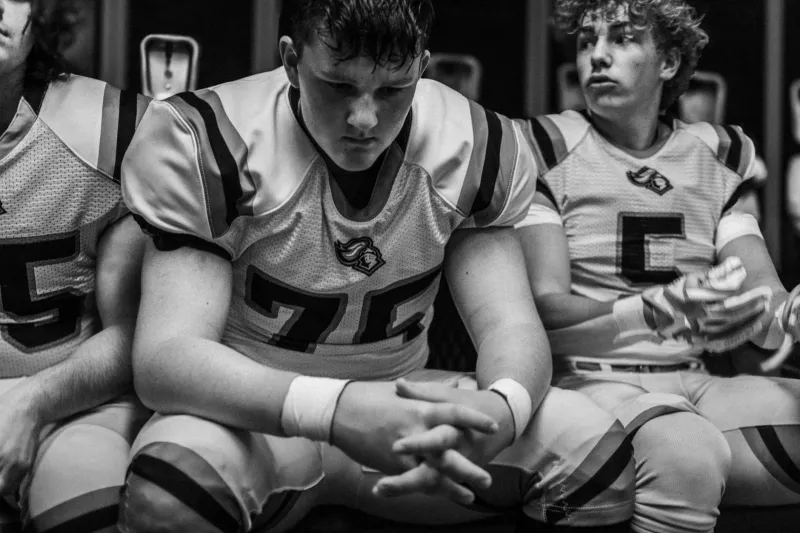
Picture this: final minutes of a close match at Exploria Stadium's youth fields, score tied, and your kid is up. One player locks in — eyes sharp, movements deliberate, almost like the noise disappears. Another player on the same team goes rigid, hesitates, and seems to shrink right when the moment needs them to grow.
Same practice schedule. Same coach. Same drills. Completely different responses.
Parents and coaches in Orlando see this play out constantly across soccer, basketball, flag football, and track. And the question everyone quietly asks is: Why? More importantly — can we change it?
The answer, according to sports psychologists and youth development coaches who work with programs around Central Florida, is a resounding yes. But it starts with understanding what's actually happening inside a young athlete's head when the stakes go up.
It's Not a Talent Problem — It's a Nervous System Problem
When pressure hits, the brain doesn't really care whether it's a championship game or a math test. It responds the same way — flooding the body with cortisol and adrenaline, shifting resources away from the thinking brain (the prefrontal cortex) and toward pure survival instincts.
For kids who've learned to interpret that physiological rush as excitement, they channel it. For kids who read it as danger, they freeze.
"The physical sensation is identical," says one youth sports performance coach who works with Orlando-area club teams. "Faster heartbeat, shallow breathing, heightened awareness. The only difference is the story the kid is telling themselves about what those feelings mean."
That internal narrative — the story a young athlete constructs about pressure moments — is largely shaped by experience, environment, and the messages they've absorbed from adults around them. Which means coaches and parents have more influence here than they might think.
Why Some Kids Are Wired to Shrink
Research in youth development consistently points to a few key factors that make kids more likely to freeze under pressure:
Fear of failure over love of the game. When a child's primary motivation is avoiding embarrassment or disappointing adults, high-stakes moments feel like threats rather than opportunities. They're not playing to win — they're playing not to lose. That mental posture alone changes everything.
Perfectionism without resilience. Some kids have been praised so consistently for being "the best" or "the natural" that any stumble feels catastrophic. When you've built your identity around being good, being average for five minutes in a game can feel like identity collapse.
Lack of exposure to manageable stress. Kids who've been over-protected from failure — whether at home, in school, or on the field — often haven't built the internal muscle to handle adversity. Pressure feels unfamiliar and therefore overwhelming.
Negative self-talk habits. Many young athletes have developed an inner critic that fires loudest exactly when they need confidence most. And unlike a coach on the sideline, that voice gets unlimited playing time.
What Fearless Kids Actually Do Differently
Here's something worth knowing: kids who perform well under pressure aren't necessarily more talented, braver, or mentally tougher by nature. In most cases, they've been given — or have stumbled into — specific habits and mindsets that prepare them for those moments.
They tend to focus on process over outcome. Instead of thinking "I need to score," they think "watch the ball, plant my foot, follow through." Breaking a high-pressure situation into small, controllable steps keeps the brain from catastrophizing.
They've also usually failed before — in smaller, lower-stakes moments — and survived. That history of "I messed up and it was okay" becomes a kind of psychological insurance policy. When pressure arrives, they've got receipts proving they can handle it.
And importantly, they've usually had at least one adult in their corner who responded to mistakes with curiosity rather than frustration. That matters more than almost anything else.
What Coaches Can Start Doing This Week
You don't need to be a licensed therapist to start building pressure-resilience in your athletes. Here are practical approaches coaches in Orlando's youth programs are already using:
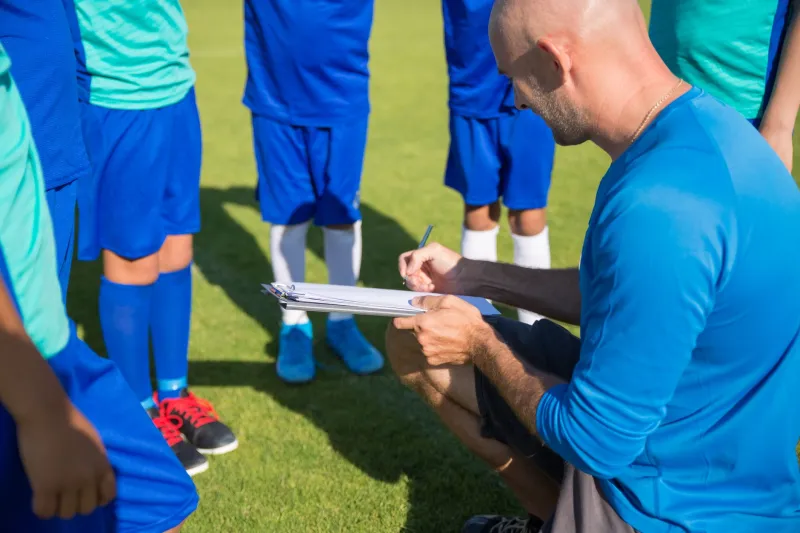
Create low-stakes pressure in practice. Simulate game conditions regularly — narrow the time, add a score, put something small on the line like choosing the next drill. Repeated exposure to manageable pressure desensitizes kids to the feeling and builds confidence through repetition.
Debrief process, not just results. After a tough game, ask kids what they were focused on, what decision they made and why, what they'd try differently — not just whether they won or lost. This builds self-awareness and shifts focus to what they can control.
Teach the "reframe" out loud. When you notice an athlete tensing up, help them name it and reframe it. "Your heart's beating fast? Good — that means your body's ready. Let's use it." Modeling this kind of self-talk gives kids language they can use internally.
Celebrate bouncebacks, not just wins. Make a visible, genuine deal out of a kid who messes up and keeps going. That kind of recognition tells every player on the team what's actually valued here.
What Parents Can Do Beyond the Sideline
Here's the honest truth: the car ride home after a tough game might be the most important coaching moment a parent ever gets — and most of us blow it.
The instinct to immediately analyze what went wrong, offer solutions, or reassure with "you were great!" when they clearly weren't — all of that can actually deepen the pressure problem. Kids learn to perform for your reaction instead of developing their own internal compass.
Try a different approach. Lead with connection before coaching. A simple "that looked tough out there — how are you feeling?" opens a door that "you should have passed earlier" slams shut.
At home, let your kid struggle with things — homework problems, social friction, minor inconveniences — without jumping in immediately. Pressure-resilience isn't built only on the field. Every time a child navigates a hard moment and comes out the other side, they're depositing into an account they'll draw from when the game is on the line.
The Bigger Picture
At Orlando City Youth, we talk a lot about building champions on and off the field. This is exactly what that means. The kid who learns to breathe through a penalty kick isn't just becoming a better soccer player — they're practicing a skill that shows up in job interviews, in relationships, in moments that matter long after their playing days are done.
Pressure doesn't have to be the enemy. With the right environment, the right coaching, and adults who genuinely believe in the process, it becomes one of the most powerful teachers a young person can have.
Some kids freeze today. That doesn't mean they freeze forever. It just means they haven't been given the right tools yet.
Let's give them the tools.