Trophies Collect Dust. Communities Don't: Why Orlando Families Are Changing What Youth Sports Is For
Somewhere in Orlando, there's a garage shelf with a row of youth sports trophies on it. Plastic gold figurines, faded ribbons, a participation medal or two. Nobody's quite sure when the last time anyone looked at them was.
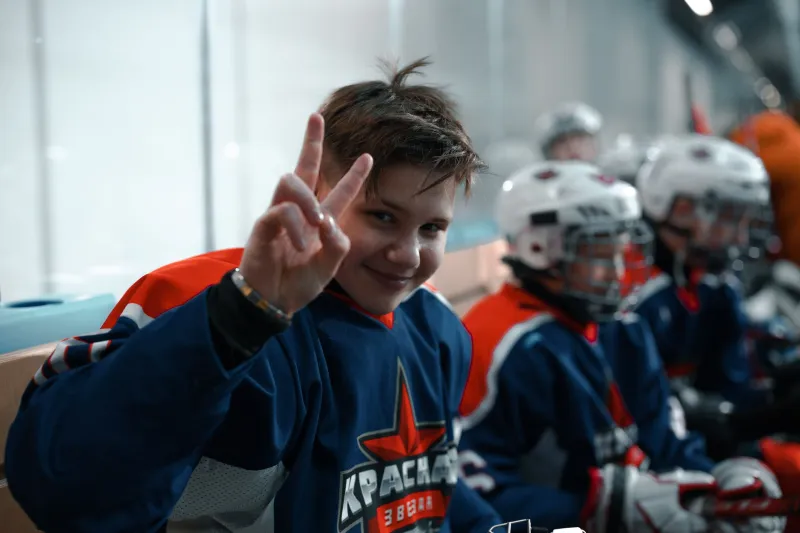
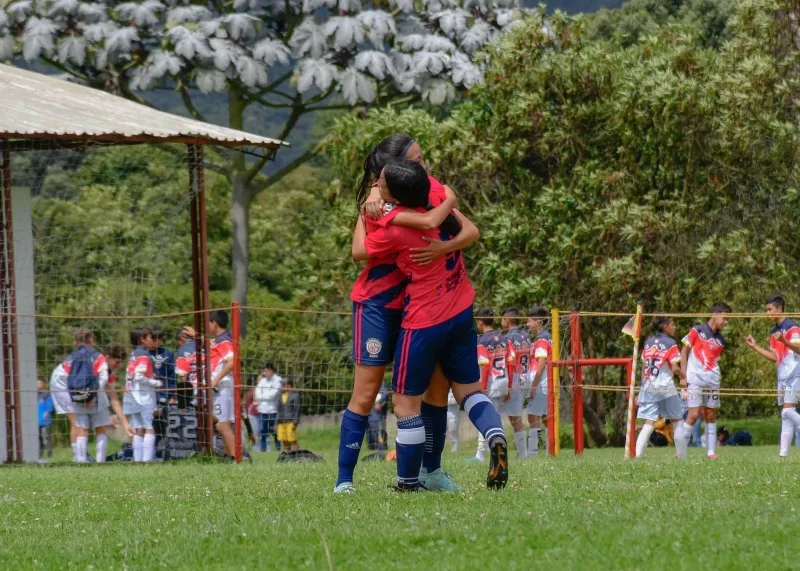
And in that same house, there's a kid who still talks about the teammate who helped them through a rough season. Who still keeps in touch with a coach who believed in them before they believed in themselves. Who learned, on a grass field at seven in the morning on a Saturday, how to lose gracefully and try again anyway.
The trophy didn't teach them that. The community did.
The Model We Inherited
For a long time, the dominant framework for youth sports in America — and Orlando is no exception — was built around a fairly narrow set of goals: win games, develop elite skills, stand out enough to earn recognition, and ideally parlay all of that into a scholarship or a competitive advantage later in life.
There's nothing inherently wrong with competition or excellence. But somewhere along the way, that framework quietly became the only framework. Success in youth sports started to mean rankings, travel teams, specialized training before a kid's bones had finished growing, and a kind of relentless optimization that left very little room for the messier, more human parts of what sports can offer.
Parents who'd been through it started to notice the cost. Kids burning out by middle school. Friendships built entirely within a single travel team bubble, dissolved the moment a kid changed programs. Athletes who could execute a technical skill flawlessly but had no idea how to handle failure, collaborate across difference, or simply enjoy moving their body for the sake of it.
"I got so caught up in what my son's stats looked like that I missed watching him actually grow up," one Orlando dad admitted in a conversation with program staff at a community athletic event last year. "I was tracking his batting average. I should have been watching how he treated his teammates."
A Different Question Entirely
The families that seem to be finding the most genuine fulfillment in youth sports right now are the ones who started by asking a different question. Not how do we maximize my kid's athletic potential? but what kind of person do we want sports to help our kid become?
That reframe changes everything downstream.
When the goal is character development, a loss is as valuable as a win. When the goal is diverse friendship-building, a mixed-skill recreational league is just as meaningful as a competitive travel roster. When the goal is lifelong athletic habits, a kid who finishes their youth sports career genuinely loving movement — regardless of how many trophies they collected — has succeeded in every way that actually matters.
Orlando City Youth was built around exactly this philosophy. The idea that a youth sports program can be a vehicle for something bigger than athletic achievement — that it can build the kind of community, confidence, and character that shapes who a kid becomes long after the last whistle blows.
What This Actually Looks Like in Practice
For some families, the shift is gradual. It might start with a parent deciding to skip one travel tournament in favor of a weekend that just belongs to the family. It might be a coach who spends the last five minutes of every practice talking about something completely unrelated to sport — a current event, a life skill, a question about how the kids are doing in school.
For others, it's more intentional. Families who actively choose recreational or community-based programs over elite-track options because they've decided that their kid's sports experience should include kids from different backgrounds, different skill levels, different zip codes.
That last piece matters more than it might seem. One of the things elite-track youth sports inadvertently does is sort kids — by ability, by income, by geography. The result is that a lot of young athletes spend their entire youth sports career playing exclusively with kids who look and live almost exactly like them.
Community-based programs disrupt that sorting. And the research on what kids gain from diverse social environments — greater empathy, stronger communication skills, more nuanced thinking — is pretty hard to argue with.
The Scholarship Conversation
This is usually where someone raises the obvious objection: But what about kids who actually have elite potential? Aren't we doing them a disservice by prioritizing community over competition?
It's a fair question. And the honest answer is that elite development and community values don't have to be mutually exclusive — but the culture around elite youth sports often makes them feel that way.
Here's the thing about college athletic scholarships that most families don't fully internalize until it's too late: the odds are genuinely very long. The NCAA's own data consistently shows that fewer than two percent of high school athletes earn athletic scholarships at the Division I level. When families organize their entire youth sports experience around chasing that outcome, the vast majority are setting themselves up for a goal they won't reach — and potentially missing the deeper value of the experience in the process.
This isn't an argument against ambition. It's an argument for keeping ambition in proportion to reality, and for making sure that whatever happens with athletic development, the kid walks away with something no recruiting process can take from them.
The Families Who've Already Made the Shift
Across Orlando's youth sports landscape, you can find these families if you know where to look. They're the ones cheering equally for both teams. The parents who stay after games to help put away equipment. The kids who show up to volunteer at community events even in the off-season because the program felt like something worth giving back to.
One mother of three, whose kids have played in both competitive travel leagues and community-based programs, put it simply: "When my oldest was in travel ball, I felt like I was always chasing something. There was always another tournament, another showcase, another coach to impress. When we shifted to a more community-focused program, I finally felt like we were somewhere, not just going somewhere."
That sense of arrival — of belonging to something rather than constantly auditioning for something — is what the best youth sports experiences actually offer. And it's something a trophy case, no matter how full, can't replicate.
Building the Village
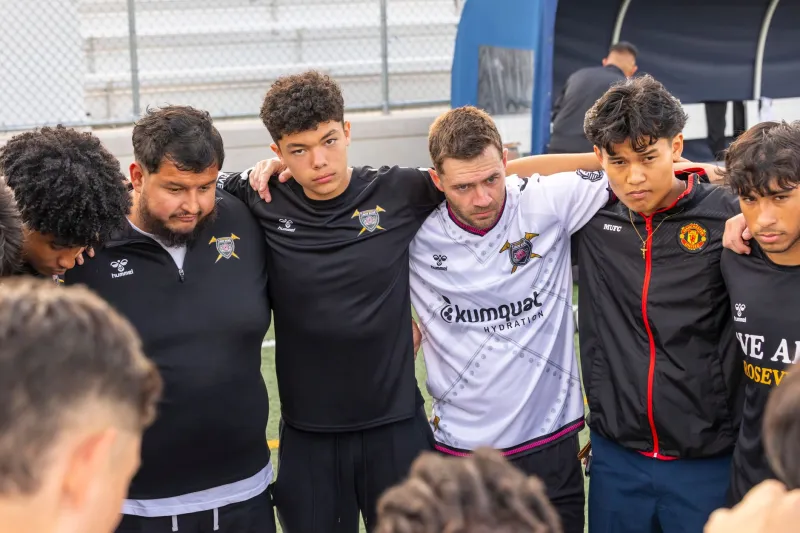
There's an old idea that it takes a village to raise a child. Youth sports, at its best, is part of that village. It's where kids learn to navigate conflict without a parent mediating. Where they discover that showing up consistently matters more than showing up perfectly. Where they build relationships with adults outside their family who believe in their potential.
Orlando City Youth exists because that version of youth sports — community-centered, character-driven, and genuinely inclusive — doesn't happen automatically. It has to be built intentionally, by coaches who see the whole kid, by programs that measure success in more than wins and losses, and by families willing to ask whether the path they're on is actually leading where they want to go.
The trophies will collect dust. The village endures.