From Starter to Sub: The Quiet Comeback Story Every Benched Athlete Needs to Hear
There's a particular kind of silence that follows a coach's lineup change. Not the silence of a quiet locker room or a calm practice field — but the silence of a kid who just found out they're no longer starting. The kid who thought they had a spot locked in, only to learn that the job was never permanent.
It happens in every sport, at every level. In Orlando's youth leagues and competitive club programs, it happens more than most people talk about. And the way a young athlete responds to that moment — not the first day, but the weeks that follow — often says more about their future than any trophy ever could.
The Part Nobody Warns You About
Parents and coaches spend a lot of time preparing kids for competition. They talk about working hard, staying focused, being a good teammate. What they talk about far less often is what happens when you do all of that and still lose your spot.
Because that's the part that doesn't fit neatly into the motivational poster version of youth sports. You can do everything right and still get bumped. A teammate improves faster. A coach changes the system. A new player joins the program. None of those things are about failure — but they can feel exactly like it.
"That's the conversation I don't think we're having enough," says a youth basketball coach who has spent years working with middle and high school players across the Orlando area. "We talk a lot about earning your spot. We don't talk enough about what to do when you lose it, because the truth is, that's when you find out who a kid really is."
The Emotional Landscape of Being Benched
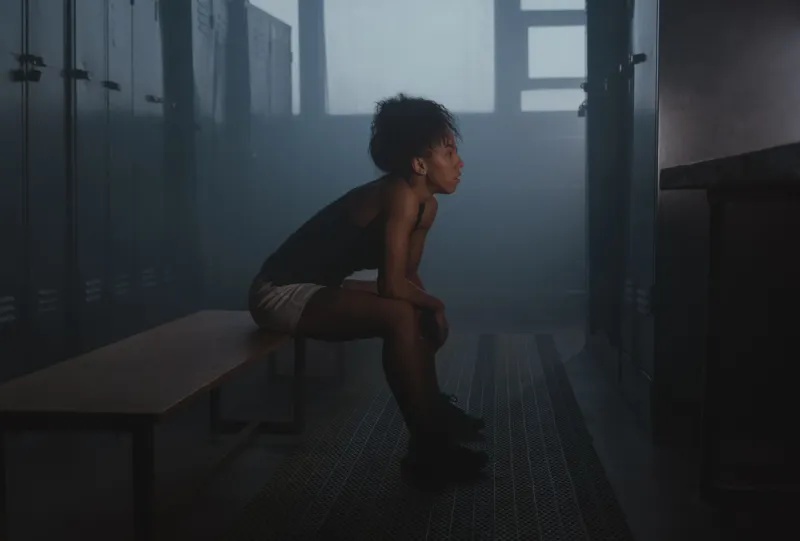
What does it actually feel like? Athletes who've been through it describe a complicated mix — embarrassment, anger, confusion, and underneath all of that, a specific kind of loneliness. Because being moved to the bench isn't just a tactical decision. To a teenager, it can feel like a verdict.
Some kids respond by pulling away. They go quiet in practice, stop engaging with teammates, start going through the motions. It's a protective response — if you don't invest, you can't get hurt again. But it's also the exact behavior that makes it harder to earn the spot back.
Others respond with anger that comes out sideways — resentment toward the coach, tension with the teammate who took their place, frustration that bleeds into family life at home. Orlando City Youth coaches who work with youth athletes in these moments describe it as one of the most emotionally loaded situations in all of youth sports, precisely because the wound is invisible. There's no cast, no crutches. Just a kid sitting further down the bench than they used to.
And then there are the kids who find another gear entirely.
What the Comeback Actually Looks Like
Ask coaches who've been around long enough, and they'll tell you: some of the most impressive athletes they've ever worked with weren't the ones who started every game. They were the ones who lost their spot, sat with that discomfort, and made a deliberate choice to fight their way back.
One Orlando-area club soccer player — now in her junior year of high school — describes being moved from starting midfielder to reserve at the beginning of her freshman season as the hardest thing she'd experienced in sports. "I cried for like two days," she says, laughing now but clearly remembering the weight of it. "I was ready to quit. I genuinely thought about it."
What changed? Her coach had a direct conversation with her — not a pep talk, but an honest breakdown of exactly what the player who took her spot was doing better, and specifically what she'd need to develop to compete for it again. It was uncomfortable. It was also exactly what she needed.
"Nobody told me it was going to be easy or that I definitely would get the spot back. They just told me what the work looked like. That actually helped more than being told I was great."
She started that year. By sophomore year, she was one of the team's most consistent performers — and she'll tell anyone who listens that the bench experience was a bigger part of her development than any of the games she played.
What Coaches Can Do Differently
The way a coaching staff handles a demotion matters enormously. A lineup change delivered coldly, without context, leaves a young athlete feeling discarded. One handled with honesty and clarity gives them something to work with.
Coaches who do this well tend to follow a few consistent principles:
Be specific. "We're going in a different direction" isn't feedback — it's a door closing. Telling a player exactly what the other athlete is doing better, and what the benched player can specifically improve, turns a painful moment into a development opportunity.
Check in regularly. The kids who go quiet after being benched aren't always fine. Regular, low-key check-ins — not performance reviews, just genuine conversations — keep the lines open and signal that the athlete still matters to the program.
Redefine their role, don't just reduce it. A player who comes off the bench can be given meaningful responsibility — as an energy-changer, a defensive specialist, a leader in practice. When a kid understands that their role still has value, they're more likely to invest in it.
Separate the person from the position. A kid's starting status is not their identity. Coaches who are consistent about this — who treat benched players with the same respect as starters — create environments where athletes feel safe enough to keep working.
What Parents Can Do at Home
For parents, this situation requires a specific kind of restraint. The instinct to fix it — to call the coach, to advocate loudly, to tell your kid they've been wronged — is understandable. But it often makes things worse.
What kids in this situation usually need most from their parents isn't intervention. It's a steady presence. Someone who lets them be upset without turning it into a crisis. Someone who asks how they're feeling without immediately pivoting to strategy. Someone who communicates, clearly and consistently, that their value as a person has absolutely nothing to do with where they're sitting on a bench.
It also helps to remind them — gently, not as a lecture — that this experience is real preparation. The ability to handle disappointment, stay committed when recognition disappears, and keep working without guaranteed reward is not a sports skill. It's a life skill. And the kids who develop it at 14 are building something that will serve them at 24 and 34 and beyond.
The Comeback Nobody Puts on a Highlight Reel
Sports culture loves a comeback story. We just tend to tell them after the fact, when the athlete has already reclaimed their spot and the struggle looks clean and linear in hindsight.
The real version is messier. It involves some bad days, some doubt, some moments of genuine uncertainty about whether it's worth it. The kids who make it through that — who stay engaged, keep developing, and find their way back into the rotation — aren't just better athletes for it.
They're more complete people. And that's the kind of development Orlando City Youth is here for.