When Nobody's Watching: The Quiet Moments That Define a Young Athlete's Character
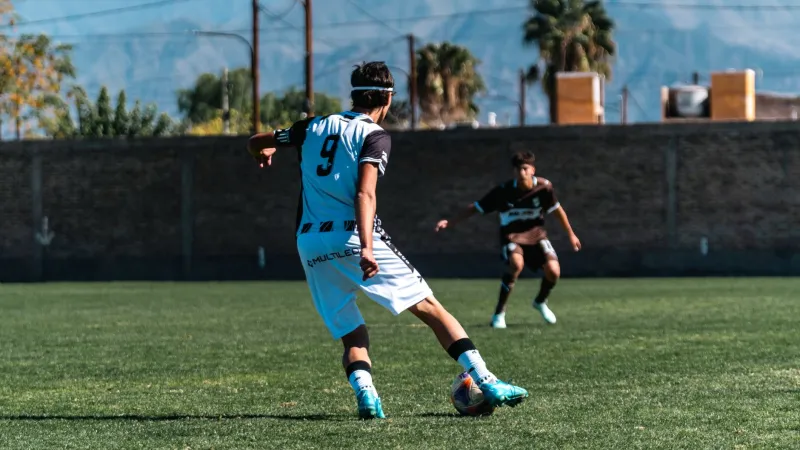
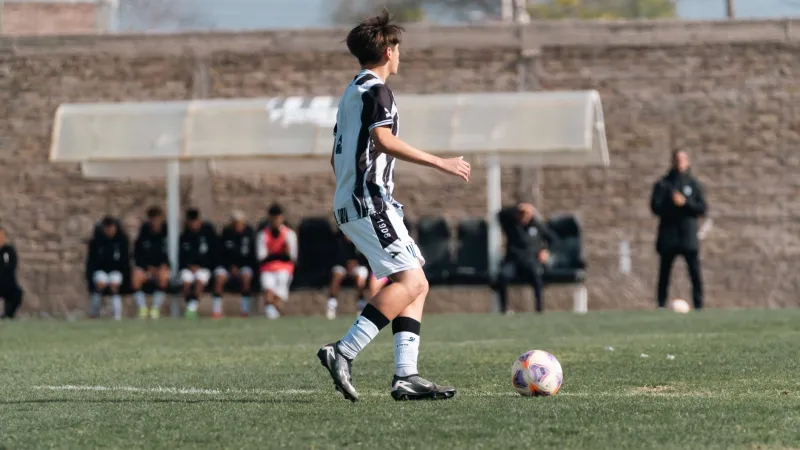
There's a moment every youth athlete knows. The referee is looking the other way. The ball clearly grazed your hand before going out of bounds — but nobody saw it. Your team needs the possession. All you have to do is stay quiet.
What happens next doesn't end up in any box score. It won't be replayed on the jumbotron or posted to Instagram. But it might be one of the most important plays of your kid's entire athletic career.
This is the unwritten playbook. The one no coach diagrams on a whiteboard. The one that gets written in real time, under pressure, in moments where doing the right thing costs something.
The Classroom Can't Replicate This
Schools do a solid job teaching kids about values. Honesty units in health class, integrity posters in the hallway, character education programs — they all have their place. But there's a fundamental difference between learning about integrity and being tested by it.
Youth sports create pressure that classrooms rarely match. When you're in the middle of a tied game with two minutes left and adrenaline pumping, abstract lessons about honesty become very concrete, very fast. The emotional stakes are real. The social stakes — what your teammates think, what your coach thinks, what that kid on the other team thinks — are real too.
That combination of genuine pressure and genuine consequence is what makes sports such a powerful character-building environment. It's not that school doesn't matter. It's that sports add a dimension that's hard to manufacture anywhere else.
The Foul Nobody Called
Let's get specific, because the scenarios young athletes face are worth naming out loud.
A ball goes out of bounds off your fingertips, but the ref awards your team the throw-in. Do you say something? A hard foul in the paint doesn't get whistled, and the other team's player is still shaking out their wrist. Do you check on them? You realize mid-play that you stepped out of bounds before scoring what everyone — including your coach — thinks is a clean goal.
These aren't hypotheticals. They happen in youth leagues across Orlando every single weekend. And every time they do, a young person is quietly making a decision about who they are.
What's fascinating is that kids almost always know the right answer. The question isn't about knowledge — it's about whether they have the courage and the internal compass to act on it when something real is on the line.
Standing Up Is a Skill Too
Integrity in sports isn't just about personal honesty. It's also about how athletes treat each other — and whether they're willing to speak up when someone else is being treated badly.
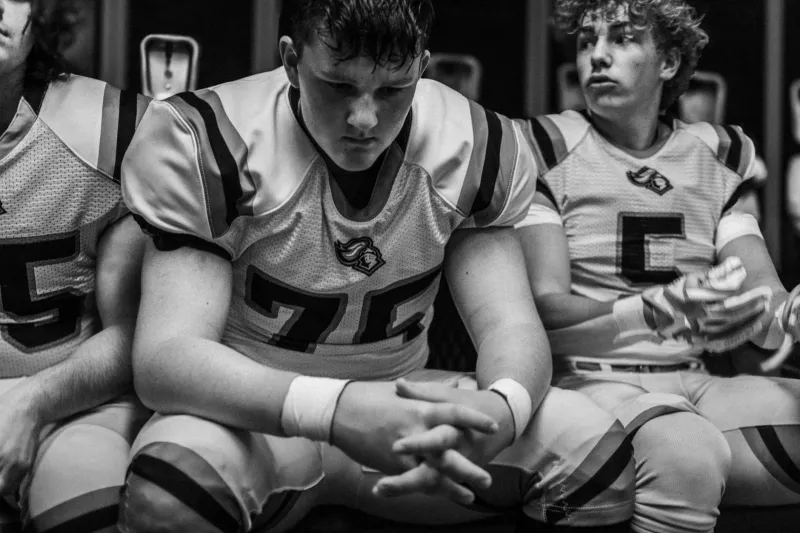
Bullying in youth sports is more common than most parents realize, and it often happens in spaces adults don't fully see. The locker room. The bus ride home. The group chat after the game. A teammate getting mocked for a mistake, a player being excluded from warmup drills, a kid getting quietly frozen out by the social core of the team.
When a young athlete witnesses that and says something — even just a quiet "hey, knock it off" — that's integrity in action. It's also social courage, which is arguably harder to summon than physical courage. Nobody wants to be the one who disrupts the group dynamic. Nobody wants to become the next target.
Coaches and parents at Orlando City Youth know that building this kind of courage takes repetition. It doesn't happen from one conversation. It happens when kids see adults model it, when teams build cultures where speaking up is respected, and when those small moments of bravery get acknowledged.
When the Unfair Call Comes From the Coach
Here's a trickier one: what happens when the integrity test involves an authority figure?
Coaches make bad calls. They play favorites sometimes. They might bench a kid who deserved to start, or overlook a teammate's bad behavior because that player is a star. These situations put young athletes in a genuinely difficult spot — one that's different from a referee's missed foul, because the power dynamic is more complicated.
How a young person navigates this matters enormously. Do they stew in silence and let resentment build? Do they complain to their parents and leave it at that? Or do they find a respectful, honest way to address what they're feeling?
None of those paths is simple. But learning to distinguish between situations that require speaking up and situations that require letting go — and then actually doing one or the other with integrity — is one of the most adult skills a teenager can develop. Sports hand them those opportunities constantly.
What Parents Can Do With These Moments
Here's the thing: most parents never hear about these situations. Kids don't come home and announce, "Hey, I faced an ethical dilemma at practice today." The moments pass quietly, for better or worse.
That's why the environment you build around sports matters as much as the sport itself. If your kid knows that admitting a mistake will be met with pride rather than disappointment, they're more likely to make the honest call when it's hard. If they've heard you talk openly about times you faced a tough ethical choice — and what you did — they have a frame of reference when their own moment comes.
Ask different questions after games. Instead of "Did you win?" or "How many points did you score?" try "Was there anything that felt like a tough call today?" or "Did anything happen that you weren't sure how to handle?" You might be surprised what comes up.
What Coaches Can Do Intentionally
Coaches have an even more direct role here. The culture a coach builds determines whether integrity gets rewarded or quietly punished.
When a player admits they touched the ball out of bounds and it costs the team a possession, what happens next? If the coach pulls them aside and says, "That took guts — I respect that," the lesson lands. If the coach responds with visible frustration, the lesson also lands — just a very different one.
Building integrity into team culture doesn't require a formal curriculum. It requires coaches who notice those moments, name them, and make it clear that how you play matters as much as whether you win. Some of the best coaches in Orlando's youth sports scene already do this instinctively. They understand that their job isn't just to develop athletes — it's to develop people.
The Long Game
The kid who admits the foul nobody else saw. The one who checks on the opponent they accidentally elbowed. The one who stands up in the locker room when a teammate is being mocked. These aren't just good athletes. They're becoming good people.
And here's the thing about integrity — it compounds. Every time a young person makes the honest choice under pressure, it gets a little easier to make it again. The internal voice that says do the right thing gets louder. The discomfort of doing the wrong thing gets stronger.
Sports won't make your kid a person of character all by themselves. But they hand young athletes more genuine tests of character — more often, and with more real stakes — than almost any other environment available to them.
The playbook for that is never written down. It gets built, one quiet moment at a time.