Still Showing Up But Already Gone: What Coaches Miss When Athletes Check Out Silently
There's a version of quitting that doesn't look like quitting at all.
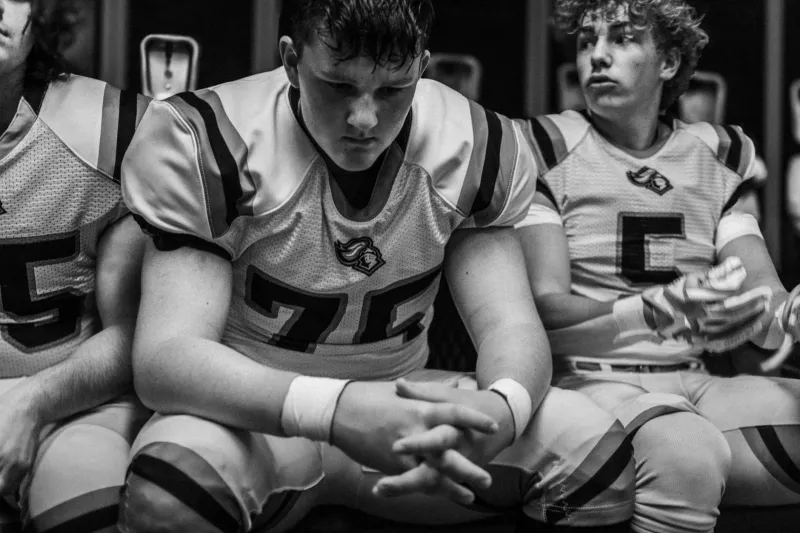
No dramatic locker room exit. No tearful conversation with a parent. No official announcement that they're done. Instead, it's subtler — a kid who still laces up their cleats, still rides the bus to away games, still technically shows up. But somewhere between the first week of the season and now, the spark disappeared. They're present in body and absent in everything else.
Coaches across Orlando see it more than they'd like to admit. And the tricky part? By the time it's obvious enough to address, that athlete has often already made up their mind.
Understanding this kind of silent withdrawal — and catching it early — might be one of the most underrated skills a youth coach can develop.
What It Actually Looks Like
The signs aren't always loud. That's the whole point.
An athlete who's mentally checked out might stop asking questions during film sessions. They might hang back during warm-ups rather than pushing to the front. Their hustle in drills looks like effort, but just barely — enough to avoid getting called out, not enough to actually compete. Off the field, they stop joking around with teammates, skip the group chat, or give one-word answers when coaches check in.
Parents often notice it at home first. A kid who used to talk your ear off about practice suddenly has nothing to say. The sport that once dominated dinner conversation becomes a topic they'd rather avoid.
These aren't just bad days. Everyone has those. This is a pattern — a slow, steady dimming that's easy to rationalize away if you're not paying attention.
Why It Happens (And It's Rarely Just One Thing)
When coaches dig into what's driving this kind of disengagement, they rarely find a single cause. It's usually a combination of factors that pile up quietly over time.
Playing time frustration. This is one of the biggest. When a young athlete can't see a clear path to more minutes — and no one's explained why they're where they are on the depth chart — resentment builds. They don't always speak up because they don't want to seem like they're complaining. So they go quiet instead.
Unrealistic expectations meeting reality. Some kids come into a season believing they'll be a starter, a go-to player, maybe even a standout. When that doesn't materialize, and no one helps them recalibrate, the gap between what they imagined and what they're experiencing can feel crushing. Disengagement becomes a way to protect their ego.
Feeling invisible. Youth athletes need to feel seen — not just as players, but as people. When coaching feels purely transactional (show up, run the drill, go home), kids who crave connection stop investing. They're not getting anything back emotionally, so they stop putting anything in.
Social dynamics on the team. Cliques, exclusion, or even just not feeling like they fit in with their teammates can quietly erode a young athlete's motivation. Sports are social by nature, and when that piece breaks down, everything else tends to follow.
Burnout from the outside in. Sometimes the pressure isn't coming from the team at all — it's coming from home. Overinvested parents, year-round training schedules, and the weight of external expectations can drain a kid's internal love for the game before anyone realizes it's happening.
The Coaching Moments That Matter Most
Here's the honest truth: re-engaging a checked-out athlete usually doesn't require a big intervention. It requires consistent, intentional small moments — the kind of coaching that happens between drills, not just during them.
Have conversations that aren't about performance. Ask about their week. Ask about school. Ask what they're excited about outside of sports. When athletes feel like their coach sees them as a whole person rather than just a player, it changes the relationship. That connection is often what pulls someone back from the edge of fully disengaging.
Be transparent about playing time decisions. You don't have to guarantee every athlete a starting spot, but you do owe them an honest explanation of where they stand and what it would take to change that. Ambiguity breeds frustration. Clarity — even when it's hard to hear — gives athletes something to work toward.
Create low-stakes moments to rebuild confidence. Sometimes a disengaged athlete just needs to experience success again, even in a small way. Put them in a drill where they can win. Give them a leadership role during a practice activity. Let them feel competent. Confidence has a way of reigniting motivation.
Loop parents in — carefully. Parents can be powerful allies when they're informed and aligned with the coaching approach. If a kid seems checked out, a quick heads-up to a parent (framed around support, not blame) can open doors at home that coaches can't access directly.
Ask directly, but gently. Sometimes the most effective thing a coach can do is just ask: Hey, you seem a little off lately — is everything okay? Not in front of the group. Not in a way that puts them on the spot. Just a quiet, private moment that signals you noticed and you care. That alone can be enough to shift something.
What Orlando City Youth Has Seen Work
Across our programs here in Orlando, we've watched coaches use some of these approaches in real time — and the results aren't always dramatic, but they're real. A kid who'd been going through the motions for weeks shows up to the next practice with something different in their eyes. Not because anything changed on the roster, but because a coach pulled them aside and said, I see you, and I want you here.
That's not soft coaching. That's smart coaching.
The athletes who eventually walk away from a sport they once loved don't usually leave because of one bad moment. They leave because they spent weeks or months feeling like it didn't matter whether they were there or not. The job of a great youth coach is to make sure no kid on the roster ever reaches that conclusion.
Keeping the Flame Lit
Youth sports are supposed to be about more than wins and losses — and most coaches already believe that. But believing it and building it into your daily practice culture are two different things.
If you're coaching in Orlando right now, take a look at your roster this week. Not at who's performing well. Look at who's gone quiet. Who's doing just enough. Who you haven't really talked to in a while.
That's probably where the work is.
Because the kid who's still showing up but already checked out isn't gone yet. They're just waiting to see if anyone's going to notice.