Still Lacing Up, Already Checked Out: The Hidden Disconnect Happening Inside Youth Sports Right Now
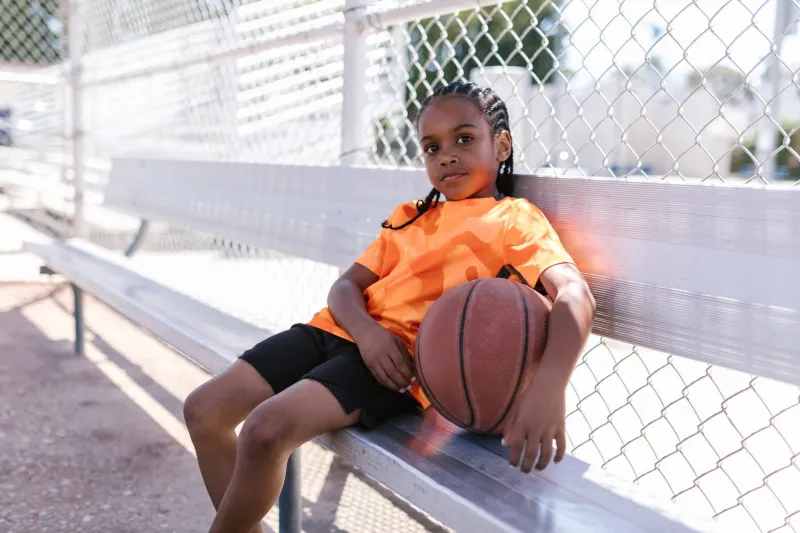
She was at every practice. Never late, never missing a session, always in the right gear. She ran the drills, took her position, said the right things in the huddle. From the outside, everything looked fine.
But her coach noticed something in week five of the season that stopped her mid-clipboard. The girl's eyes during drills — they were somewhere else. Not distracted, exactly. Just... absent. Like someone had turned a dial from engaged to automatic.
That coach had seen burnout before. She'd seen the kids who started skipping practice, making excuses, eventually asking their parents to pull them from the program. This was different. This kid wasn't quitting. She was just... gone. Still physically present, but emotionally somewhere far away from the game.
What that coach was witnessing has a name now. Some researchers call it "disengaged persistence" — the phenomenon of athletes who continue participating in a sport while having already mentally and emotionally withdrawn from it. In youth sports, it's more common than most coaches and parents realize. And it's almost always invisible until it's become deeply rooted.
The Difference Between Tired and Disconnected
Every athlete goes through stretches where the sport feels like a grind. That's normal. Motivation ebbs and flows, energy levels fluctuate, and even kids who love their sport have days when they'd rather be anywhere else.
Disengaged persistence is something categorically different. It's not a bad week — it's a slow erosion. The joy doesn't return after a rest day. The spark doesn't come back after a win. The athlete continues going through the motions not because they want to, but because stopping feels harder than continuing.
The reasons kids end up in this state are varied, but a few patterns show up repeatedly in conversations with coaches and parents across Central Florida.
Perfectionism without permission to fail. When a young athlete has internalized — from coaches, parents, or their own high standards — that mistakes are unacceptable, they stop taking risks. And sports without risk is just choreography. They show up, perform the routine, avoid anything that might expose them. The game becomes about damage control, not development.
External pressure that's outgrown internal motivation. Some kids are in sports because they genuinely love it. Others are in sports because someone important to them wants them to be. When those two things align, everything works. When they diverge — when a kid's own desire quietly fades but the external expectation stays constant — the athlete often keeps showing up out of obligation. Not joy.
The loss of early magic. There's something that happens to a lot of kids between ages eight and thirteen: sports stops being play and starts being performance. The informal, improvisational joy of just kicking a ball around with friends gets replaced by structured training, evaluations, and competitive stakes. For some kids, that transition energizes them. For others, it's where the love quietly dies — and nobody notices because the attendance record stays perfect.
Warning Signs That Are Easy to Miss
Because disengaged athletes keep showing up, the warning signs tend to be subtle. Here's what coaches and parents at Orlando City Youth programs have learned to look for:
Minimal communication. The kid who used to pepper the coach with questions after practice goes quiet. They do what's asked, nothing more.
Mechanical effort. There's a visible difference between an athlete who's working hard and one who's going through the motions. The disconnected athlete executes — but there's no hunger in it.
Absence of emotional response. Big wins don't seem to land. Tough losses don't seem to register. The emotional flatness that looks like maturity is sometimes actually detachment.
Avoidance of connection. The athlete who was once in the middle of the locker room energy starts hovering at the edges. They show up, they leave, they don't linger.
Vague answers about the sport. Ask a disengaged athlete what they're working on or what they're excited about, and the answers tend to be generic. "I don't know." "Just the usual stuff." There's no specific enthusiasm because there isn't any.
What Actually Brings Kids Back
The instinct, when coaches or parents notice disengagement, is often to push harder — more encouragement, more feedback, more intensity. That's almost always the wrong move. You can't pressure someone back into joy.
What actually works tends to be quieter.
Give them a say. One of the most common roots of disengagement is the feeling that sports is something happening to a kid rather than something they're choosing. Giving athletes even small amounts of agency — input on practice drills, a voice in team decisions, the ability to set their own goals for the week — can reconnect them to a sense of ownership.
Separate performance from relationship. Kids who are emotionally absent often feel like the adults in their sporting life only engage with them about their performance. A coach who asks a disengaged athlete about their weekend, their favorite music, their life outside the sport — and genuinely listens — starts to rebuild the relational trust that makes vulnerability possible again.
Reduce the stakes temporarily. Some athletes need a reset. A week of practice that's explicitly low-pressure, play-based, and fun — scrimmages with weird rules, team games that have nothing to do with the sport — can remind a disconnected kid why movement felt good before it became serious.
Have the honest conversation. Sometimes the most powerful thing an adult can do is sit down with a young athlete and say: I've noticed you seem like you might not be loving this right now. I'm not upset. I just want to understand. That kind of conversation — open, non-judgmental, genuinely curious — is often the first time a disengaged athlete has felt safe enough to say what's actually going on.
The Cost of Waiting Too Long
Here's the uncomfortable truth: when disengaged persistence goes unaddressed long enough, it usually ends in one of two ways. The athlete eventually finds a reason to quit — injury, a schedule conflict, a convenient exit — or they complete their youth sports career having never reconnected with why they started.
Neither outcome is inevitable. Kids are remarkably resilient when the adults around them are paying the right kind of attention.
At Orlando City Youth, we talk a lot about building champions on and off the field. But you can't build a champion who's already somewhere else in their head. The work of youth sports isn't just practices and game plans — it's staying close enough to the kids in your program to notice when the light goes out, and caring enough to help them find it again.